

Tropical Permaculture Journal: Growing Food in Tropical Climates
Field-tested guides to tropical permaculture, food forests, tropical crops, and self-sufficient homestead design, based on more than 15 years of hands-on experience at Finca Tierra in Costa Rica.
Start Here: Guides to Tropical Permaculture and Self-Sufficient Homesteads
Learn how to design tropical permaculture food systems, grow food successfully in tropical climates, and build a self-sufficient tropical homestead over time.
At Finca Tierra in Costa Rica, we’ve spent more than 15 years testing what actually works in humid and seasonal tropical conditions. These guides bring together the core principles behind tropical food forests, vegetable gardens, staple crops, protein systems, and long-term homestead design.
New here? Start with these guides:
Tropical Permaculture Food Systems
Learn how tropical food systems work, including staple crops, protein, fats, fish, and long-term food security.
Growing Food in Tropical Climates
Practical methods for growing food in humid and seasonal tropical climates, including gardens, food forests, soil building, and crop selection.
Designing a Self-Sufficient Tropical Homestead
A clear path for planning and building a productive tropical homestead over time.
Learn the Full Design System
These articles share many of the principles we use to design productive tropical food systems.
If you’d like to learn the complete step-by-step framework, including crop planning tools, system design templates, and real-world examples from our homestead in Costa Rica, explore one of our courses:
How Much Land Does It Really Take to Feed a Person? (Global vs Self-Sufficient Systems)
Most people have no idea how much land their food actually depends on. This article breaks down the real land use behind global food systems, from calorie-only farming to modern industrial diets, and compares it to a designed 2,000 m² system.
Best Low-Input Animals for Tropical Homesteads
Learn which animals work best in tropical homesteads. A practical guide to low-input livestock such as fish, chickens, rabbits, goats, and Muscovy ducks.
How to Design a Self-Sufficient Tropical Permaculture Homestead
A tropical homestead is not a collection of techniques, but a living system. This guide explains how to design a self-sufficient tropical permaculture homestead by integrating food production, protein, fertility, and human movement into a resilient whole.
Tropical Agroforestry Systems for Small Farms and Homesteads
Tropical agroforestry combines fruit trees, crops, and animals to create productive food systems. Learn how small tropical homesteads use trees as the backbone of food production.
Can You Really Be Food Self-Sufficient in the Tropics?
Food self-sufficiency in the tropics is often portrayed as either effortless abundance or an unrealistic dream. The reality lies somewhere in between. This article explores what tropical self-sufficiency actually means, why many systems fail to deliver real meals, and the four foundations of resilient tropical food systems: calories, protein, fats, and greens.
Designing a Complete Tropical Diet
Designing a complete tropical diet requires more than growing vegetables. This guide explains how tropical food systems provide calories, protein, healthy fats, and micronutrients using staple crops, perennial foods, and integrated homestead design.
Best Crops to Grow in the Tropics (Vegetables, Fruits, Staples & Protein Crops)
Discover the best crops to grow in the tropics, including staple crops, vegetables, fruit trees, tropical greens, and protein crops for productive tropical gardens and homesteads.
Best Fruit Trees for Tropical Climate (That Actually Feed You)
Choosing fruit trees in the tropics isn’t about what grows, it’s about what performs. This guide compares the best tropical fruit trees by climate, elevation, and system role.
Where Do Fats Come From in a Tropical Food System?
Most tropical food systems quietly depend on imported fats. This article explores where fats actually come from in the tropics, why they’re so often overlooked, and how perennial crops support long-term fat security.
Tropical Staple Crops: Roots and Starchy Fruits That Feed People Year-Round
Many tropical gardens look abundant, yet meals still depend on purchased staples. This article explains which roots and starchy fruits truly feed people in the tropics, and why calories matter more than diversity when designing a reliable food system.
Phased Development: Building Your Tropical Homestead Step-by-Step
Not sure where to start with a tropical homestead? This article breaks down a clear, phased development sequence, from design and perennial trees to gardens, staple crops, and animals, so each step supports the next.
Why Annual Vegetables Fail in Humid Tropical Climates (And How to Make Them Work)
Annual vegetable gardening methods developed in temperate climates often fail in the humid tropics. This article explains why constant growth, pests, and rapid decomposition change the rules, and why vegetables work best in the tropics as a support layer, not the backbone of the diet.
A Simple Tropical Survival Garden for Food Security
When supply chains fail, simplicity matters. This article outlines a small, resilient tropical garden designed for calories, continuity, and food security, not abundance for abundance’s sake.
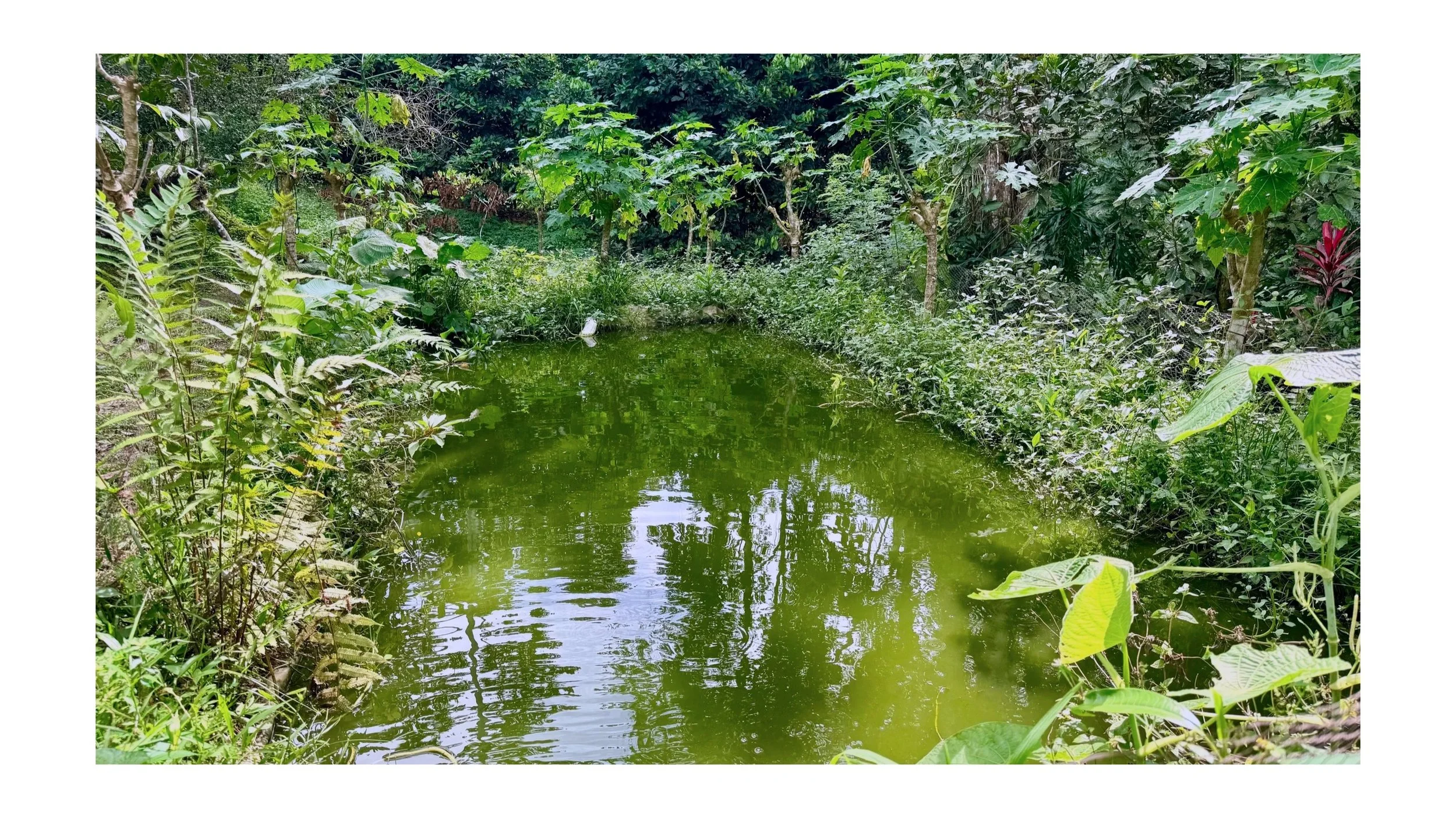
Backyard Tilapia Ponds in the Tropics: How Much Protein Can a Small Pond Produce?
Small backyard tilapia ponds can provide reliable protein in the humid tropics when they are integrated with perennial calorie crops, fats, and greens. This article explains what small ponds actually produce and how they fit into low-work tropical food systems.
Soil Building in the Tropics: From Clay to Living Soil
Humid tropical soils are shallow, fast-changing, and most active near the surface. Learn how to turn heavy clay into softer, more fertile ground using mulch rhythm, support species, and mineral balance, the same field-tested approach we use at Finca Tierra.
Mulching in the Tropics: A No-Dig System for Vegetable Beds
Mulching in the tropics works differently than in temperate gardens. Learn how our tropical no-dig system uses constant biomass renewal to improve heavy clay soil, manage moisture, and build fertility year-round.
How Long Does It Take to Build a Self-Sufficient Homestead?
How long does it take to build a self-sufficient homestead in the tropics? This article breaks down a realistic four to five year timeline and explains how building in the right order allows tropical systems to mature faster and more reliably.
How Much Time Does a Tropical Food System Take to Maintain?
How much time does a tropical food system really take? This article breaks down real-world hours and shows why design matters more than labor.
How Much Does It Cost to Build a Self-Sufficient Homestead in the Tropics?
This article explains the real costs of building a self-sufficient tropical food system, and why design choices matter more than spending more money.
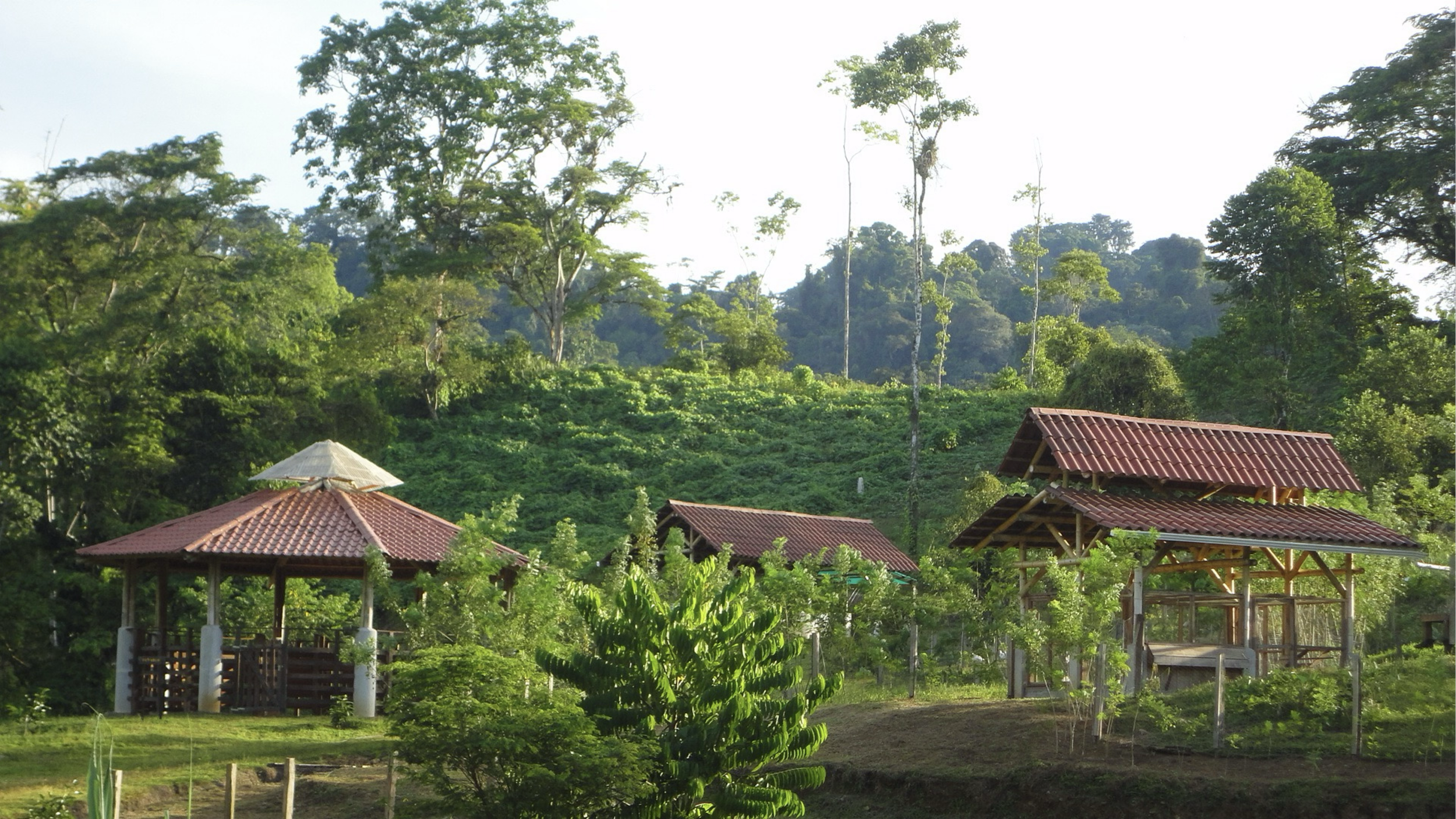
Inside SEED Ecovillage: A Working Model of Tropical Self-Sufficiency
SEED Ecovillage is not a concept or a future vision. It is a working tropical community where families live year-round, produce food, manage land, and operate shared systems under real rainforest conditions. This article documents how the system works.