
Inside SEED Ecovillage: A Working Model of Tropical Self-Sufficiency
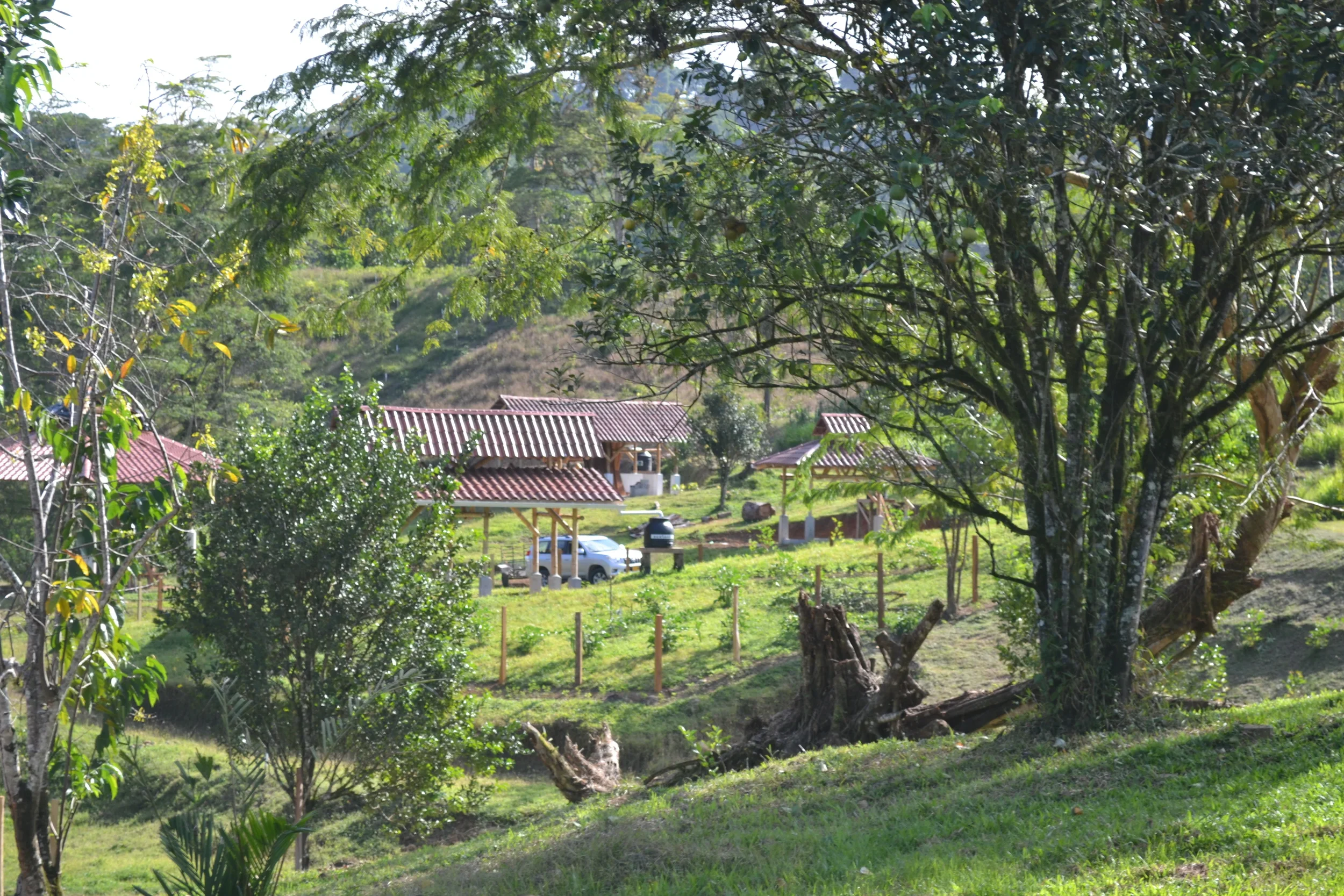
SEED Ecovillage is not a concept, a proposal, or a future vision. It is a working tropical community where families live year round, produce food, manage land, and operate shared systems under real rainforest conditions.
Located on Costa Rica’s Caribbean coast near Cahuita and the Puerto Viejo region, SEED was designed to answer a practical question.
What does tropical self sufficiency actually look like when people live it every day?
This article documents how the system works, not what it promises.
A community designed around systems, not social experimentation
SEED was developed as a systems based ecovillage, not a communal lifestyle experiment.
SEED was founded as a private project by multiple families, and later opened the opportunity for individuals and families to purchase lots on the property once core roads and infrastructure were in place. Each household owns its own lot and home. Community guidelines exist, but the model is not built around enforced communal work quotas or required shared income.
What unites the community is shared infrastructure and ecological logic.
The design prioritizes:
Food security in a humid tropical climate
Long term land regeneration
Low external dependency
Flexibility for different household lifestyles and income models
This allows the community to function even as families make different choices about how deeply they engage with on site production systems.
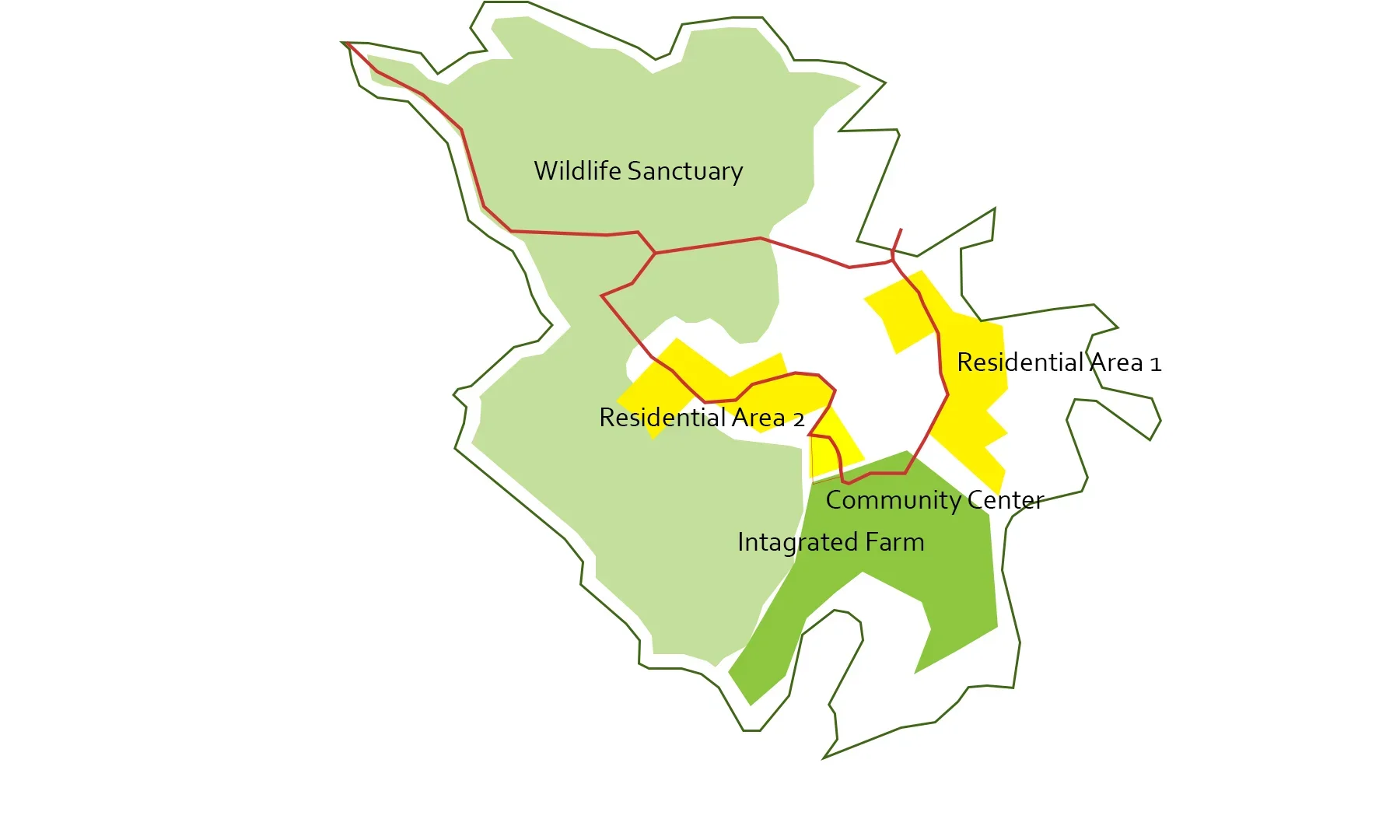
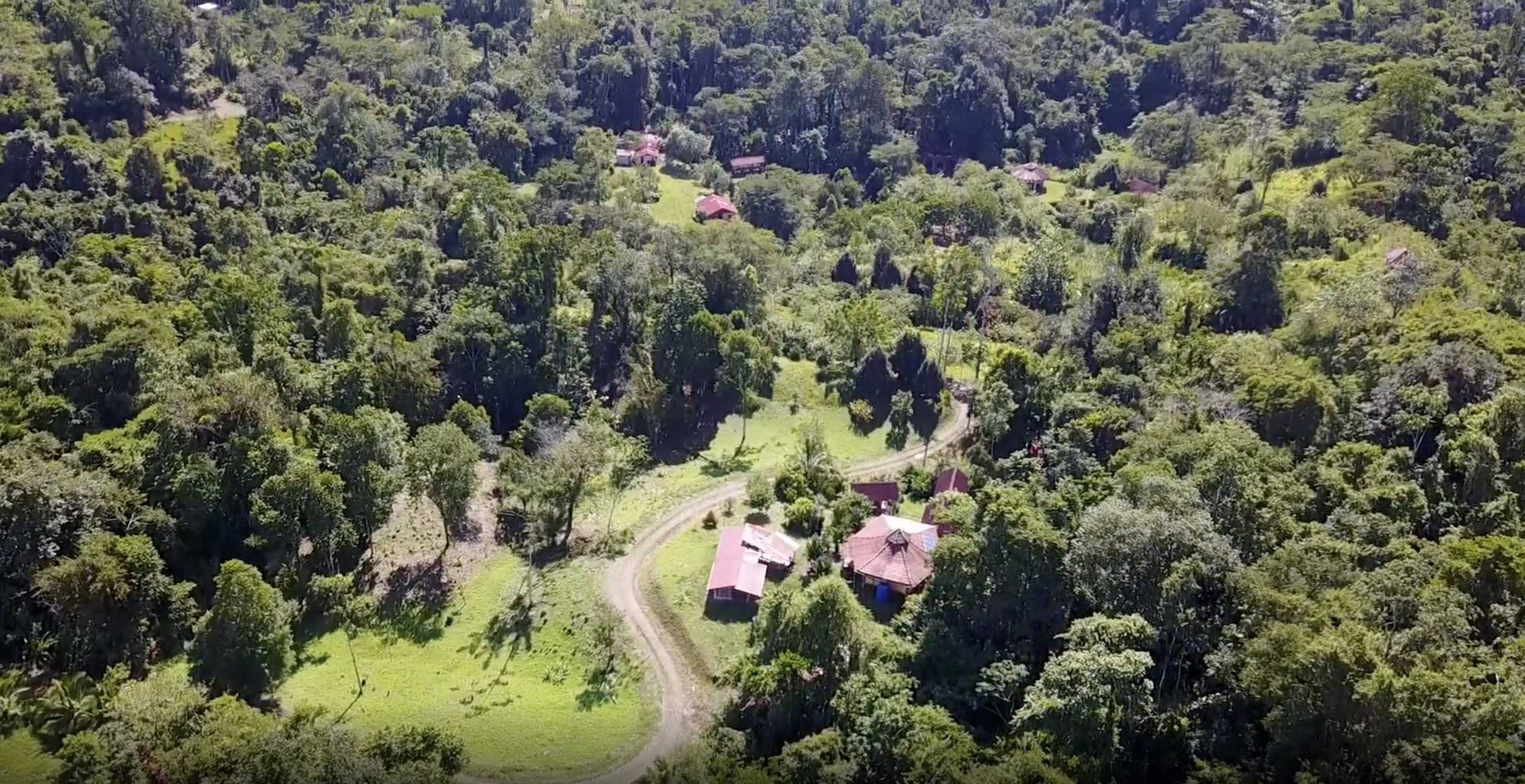
Conceptual land-use map illustrating residential zones, conservation areas, and shared ecological systems at SEED Ecovillage.
Food production at a community scale
Food is not symbolic at SEED. It is functional.
The community includes:
Shared food forest and productive areas
Individual household gardens
Perennial staple crops
Integrated protein systems adapted to tropical conditions
Rather than centralizing food production into a single farm, SEED distributes production across multiple layers:
Community managed zones
Household managed plots
Regenerating forest systems
This redundancy increases resilience and reduces pressure on any single area.
While individual residential lots at SEED are approximately 5,000 m², households do not need to actively manage all of that land for food production. In practice, a complete tropical diet for a household can be produced on roughly 2,000 m² when systems are well designed and adapted to humid tropical conditions.
The remaining land provides flexibility for forest regeneration, low maintenance zones, future planting, or reduced management intensity. This buffer is intentional. It allows households to meet their food needs without pushing land or labor to their limits.
The design builds on the same principles used in smaller homestead systems, scaled across multiple families. For a detailed breakdown of how a complete tropical diet can be produced on a small footprint, see:
→ How Much Land to Feed a Family: We Grow a Complete Diet on ½ Acre (2,000 m²) in the Tropics
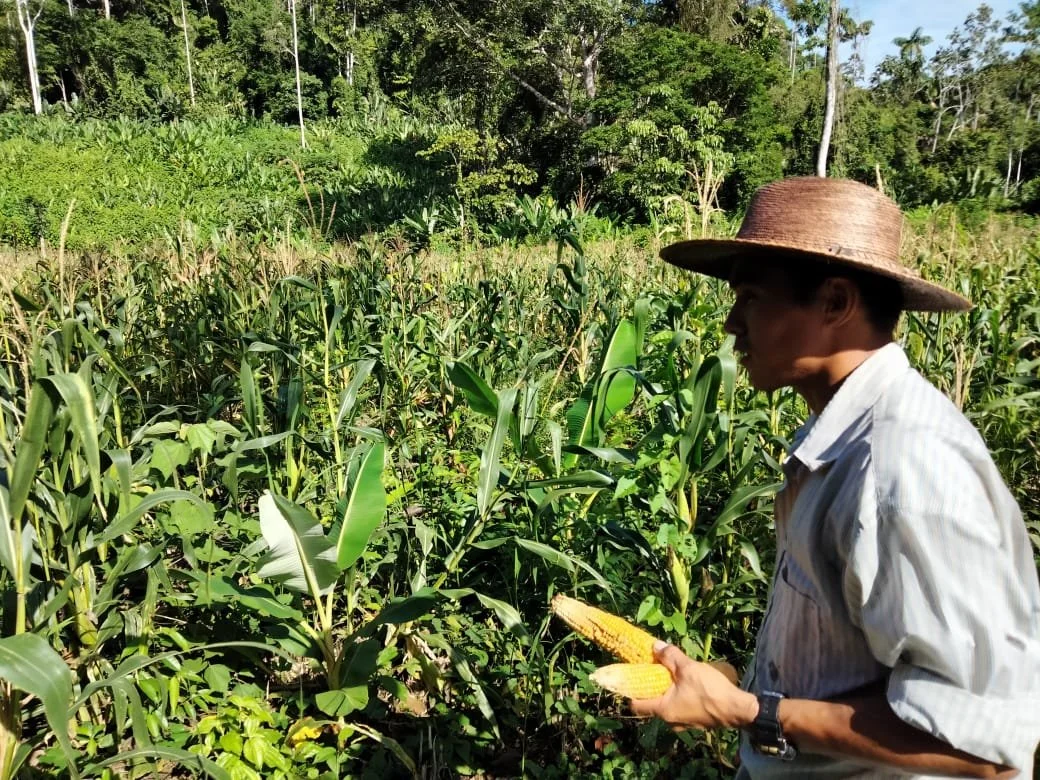
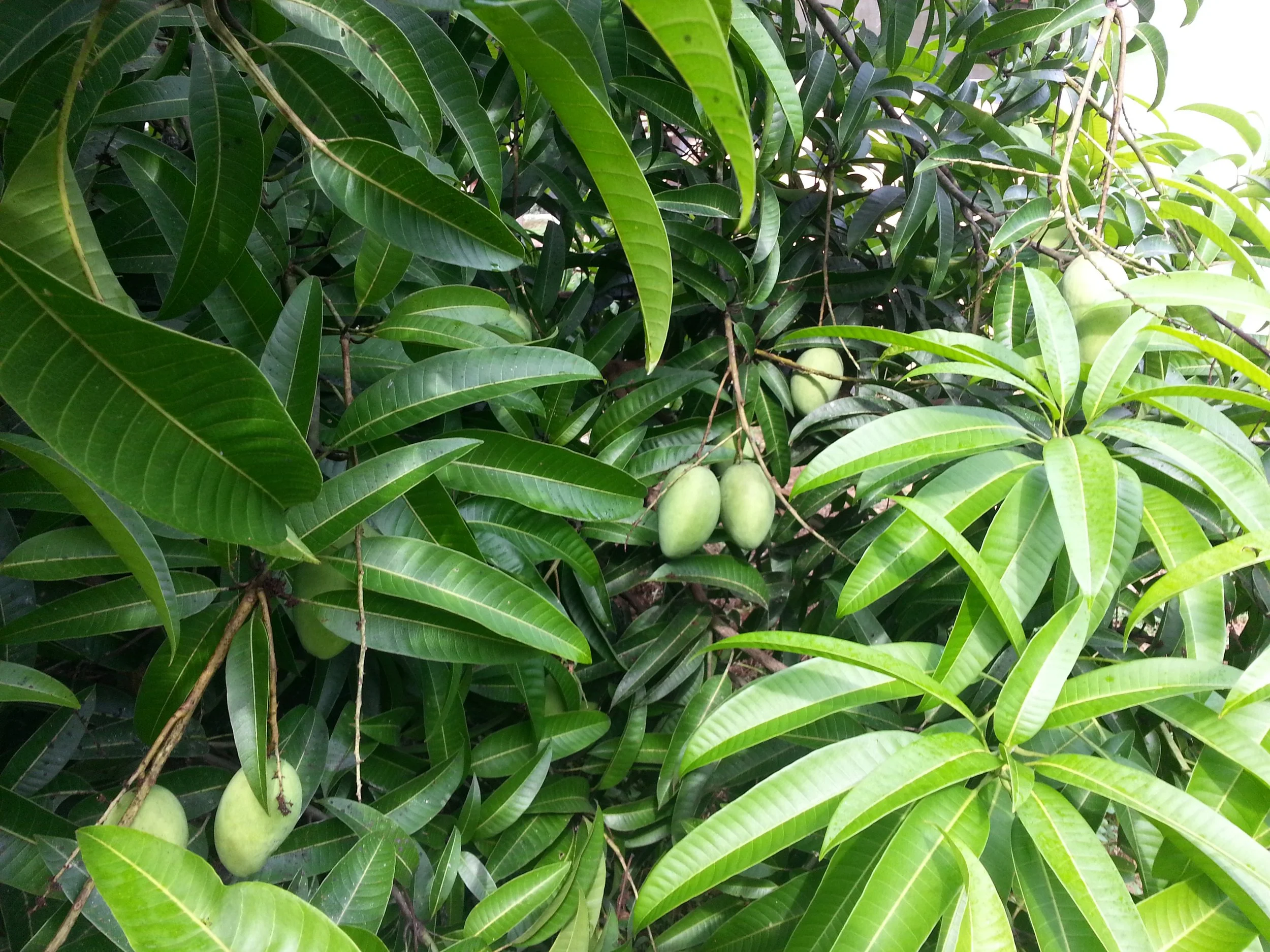
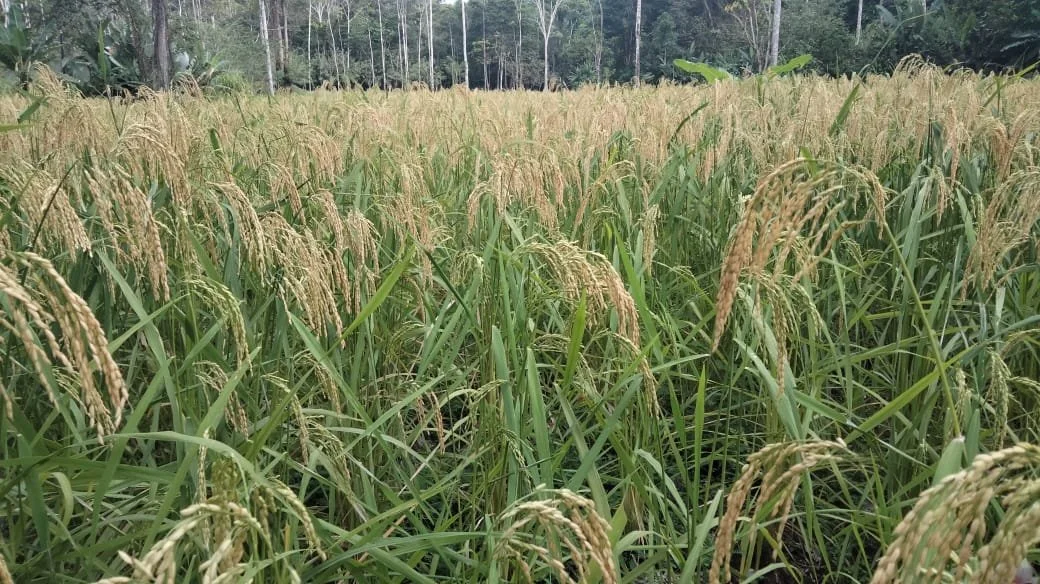
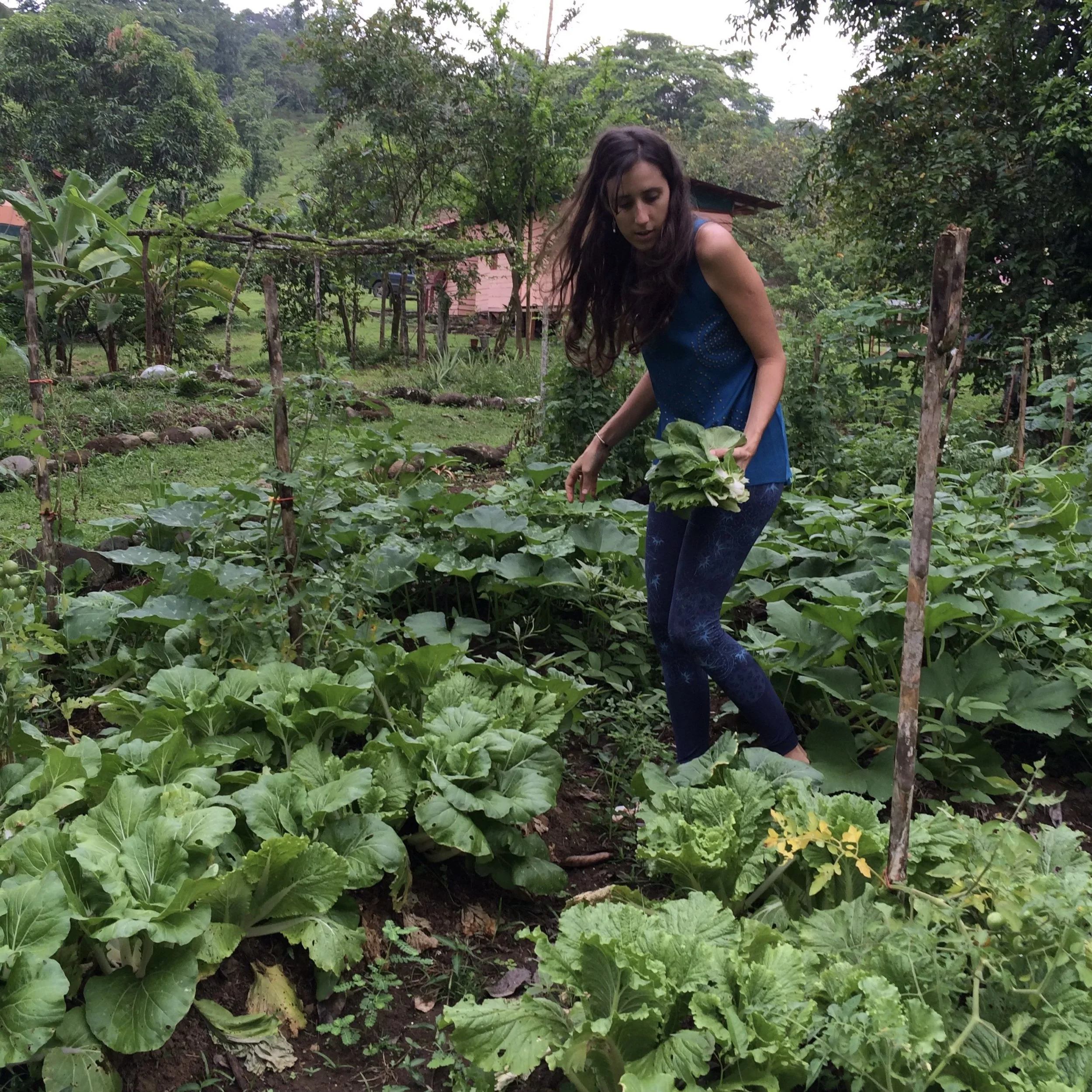
Food production at SEED is distributed across household gardens, shared systems, perennial crops, and community-scale plantings adapted to humid tropical conditions.
Water systems designed for year round reliability
In the humid tropics, water abundance does not automatically mean water security.
SEED uses a layered water strategy that combines:
Rainwater harvesting
Natural drainage planning
Ponds, infiltration, and landscape water management
Redundant storage and distribution points
Not every household uses the same setup. Water strategies can vary by lot location, household needs, and how intensively a family is producing food.
The goal is not one perfect system. The goal is multiple working systems so that a failure in one area does not create a community wide risk.
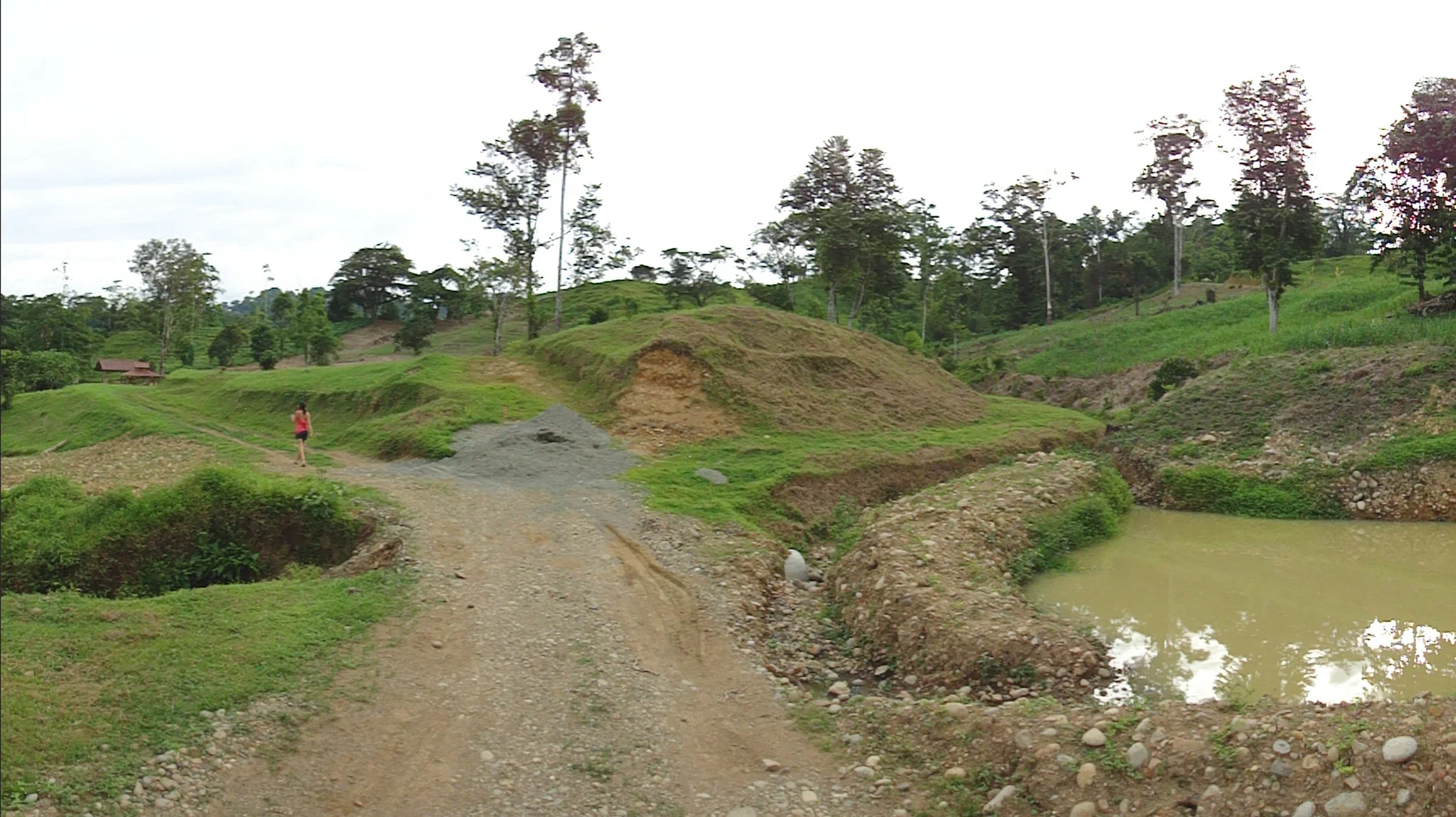
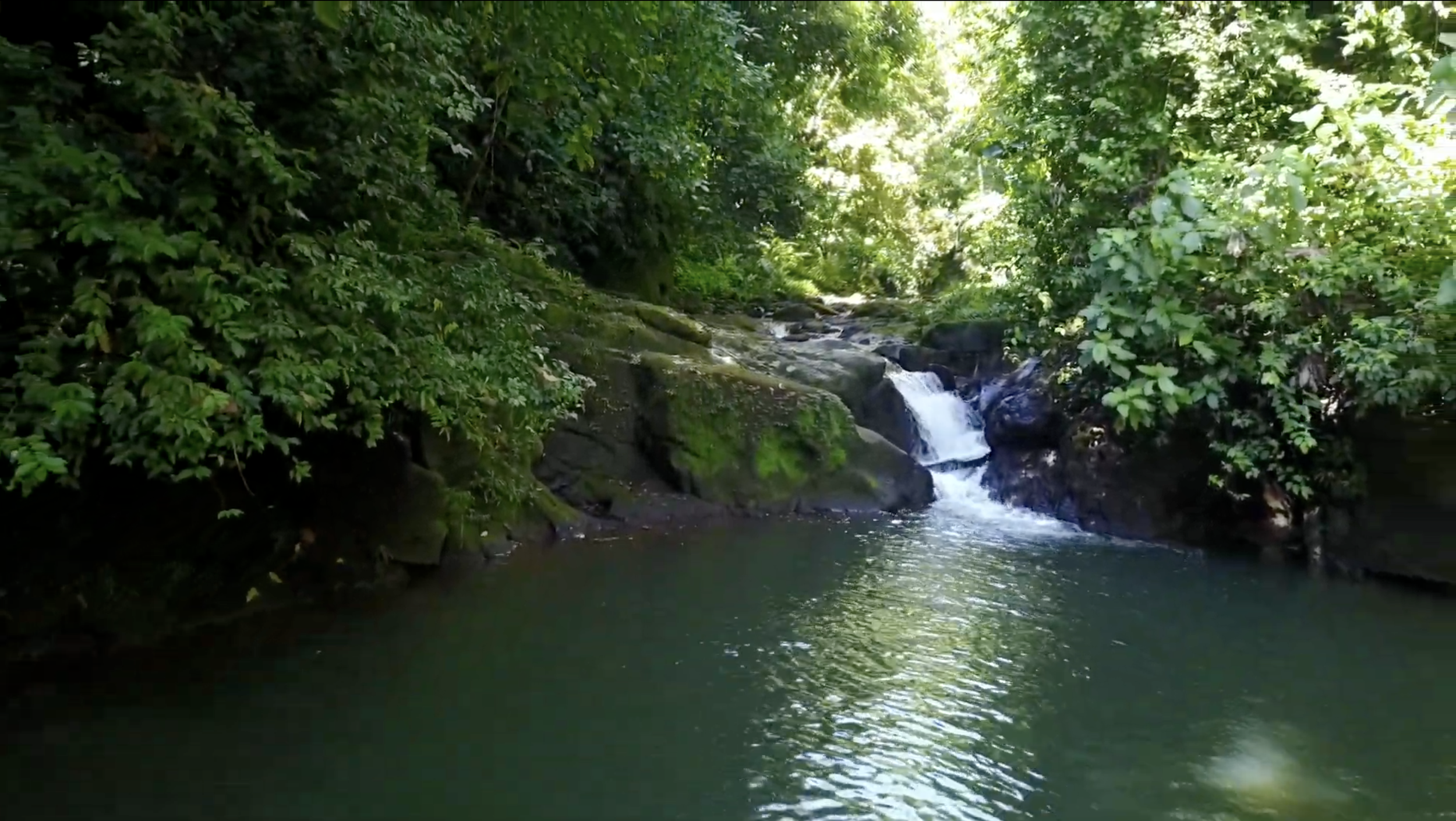
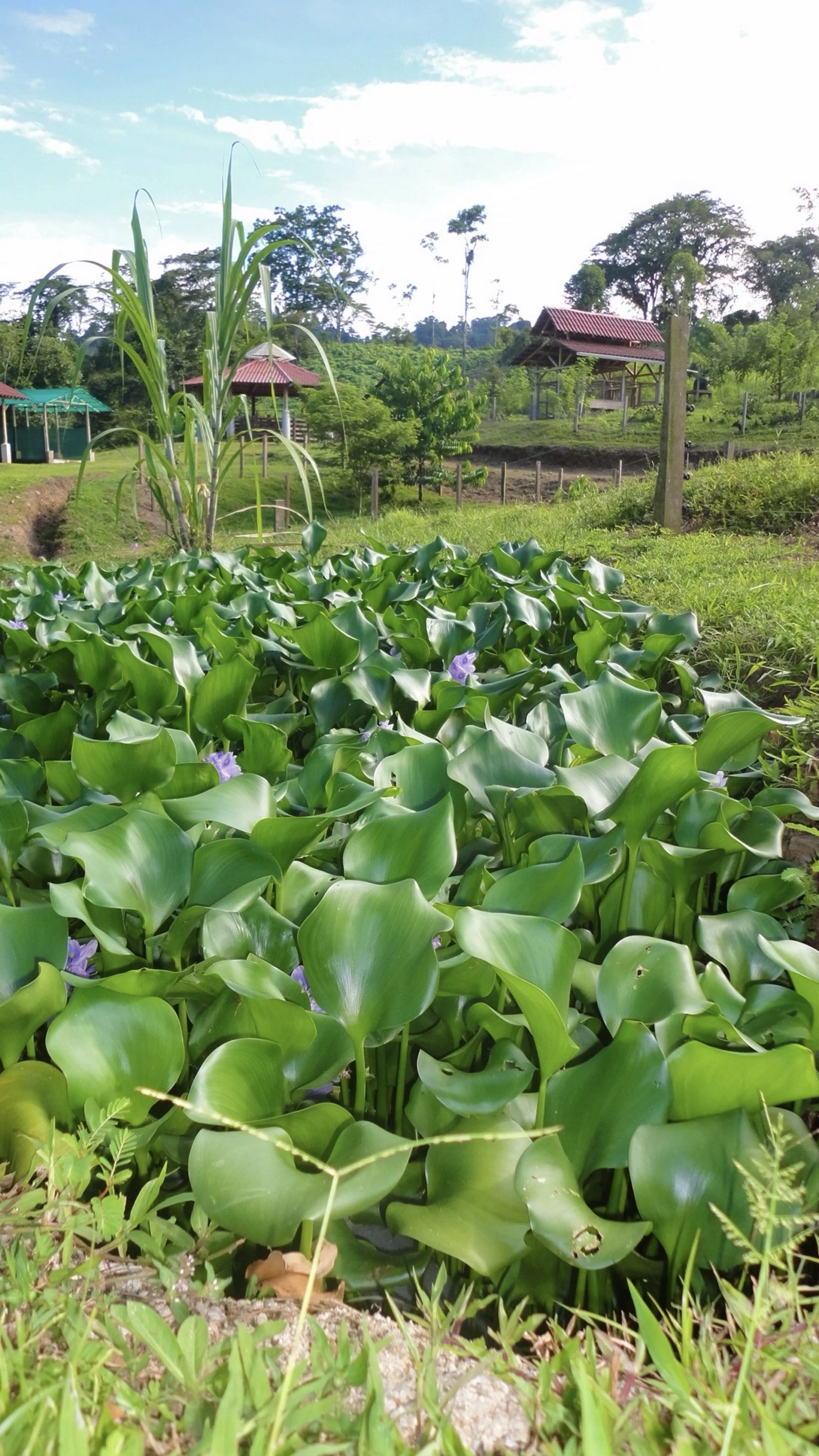
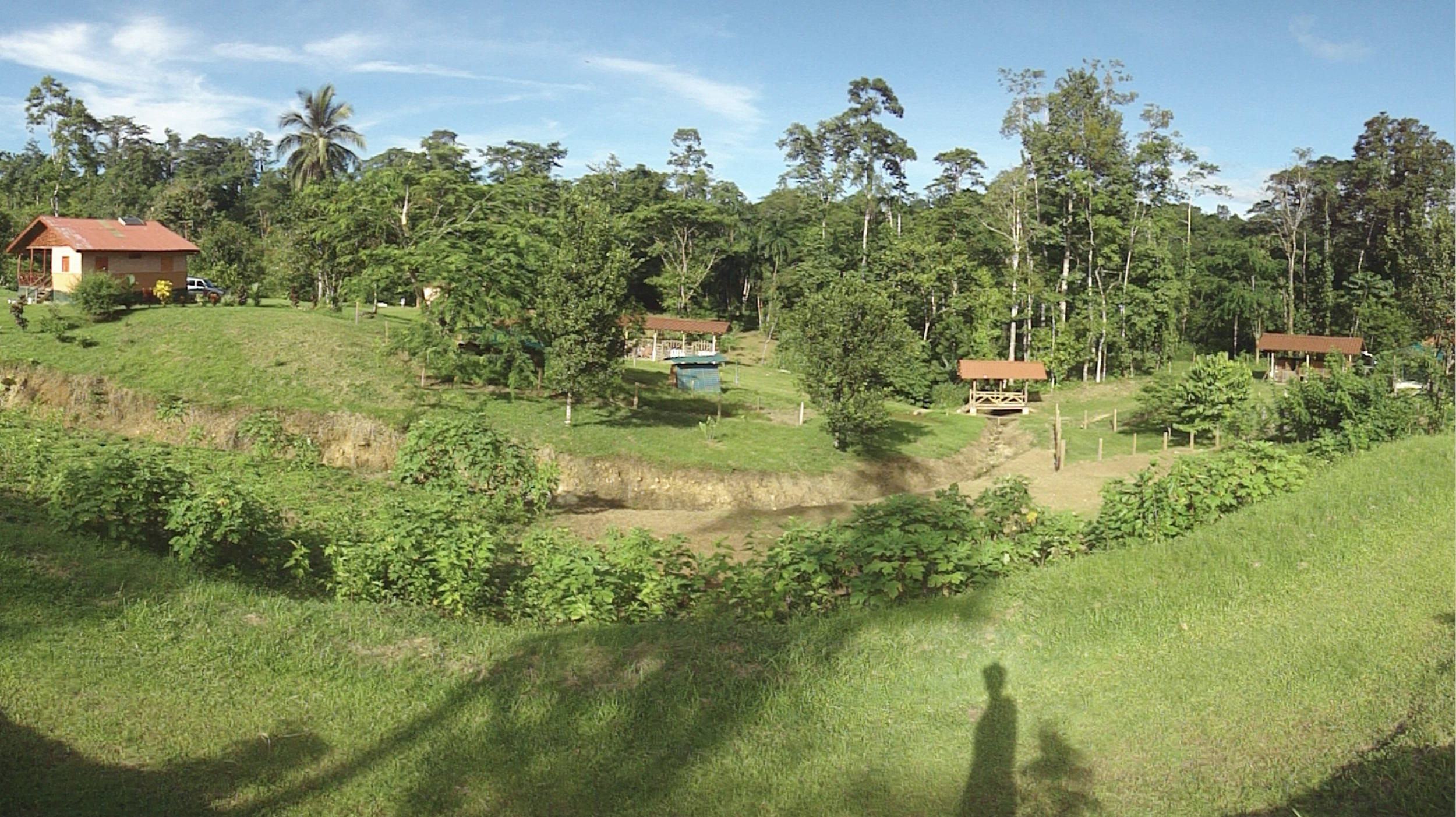
Water at SEED is managed through multiple overlapping systems designed to function year-round under humid tropical conditions.
Energy systems designed for off grid living
SEED was designed as an off grid project. Homes rely on decentralized energy setups, most commonly solar systems sized to household needs.
In practice, energy independence is not one fixed template. Households may choose different system sizes, storage capacity, and backup strategies depending on lifestyle and budget.
This approach keeps the model practical in the tropics. It also avoids a single point of failure across the community.
Land design with clear boundaries and a regenerative framework
SEED is structured around clear land use zoning:
Private residential lots
Shared productive land
Conservation and regeneration zones
This prevents one of the most common failure points of ecovillage projects. Unclear boundaries create conflict and land fragmentation over time.
Residents maintain autonomy over their homes while benefiting from protected forest areas, shared ecological infrastructure, and long term stewardship planning. The result is a landscape that regenerates over time rather than degrading through unmanaged development.
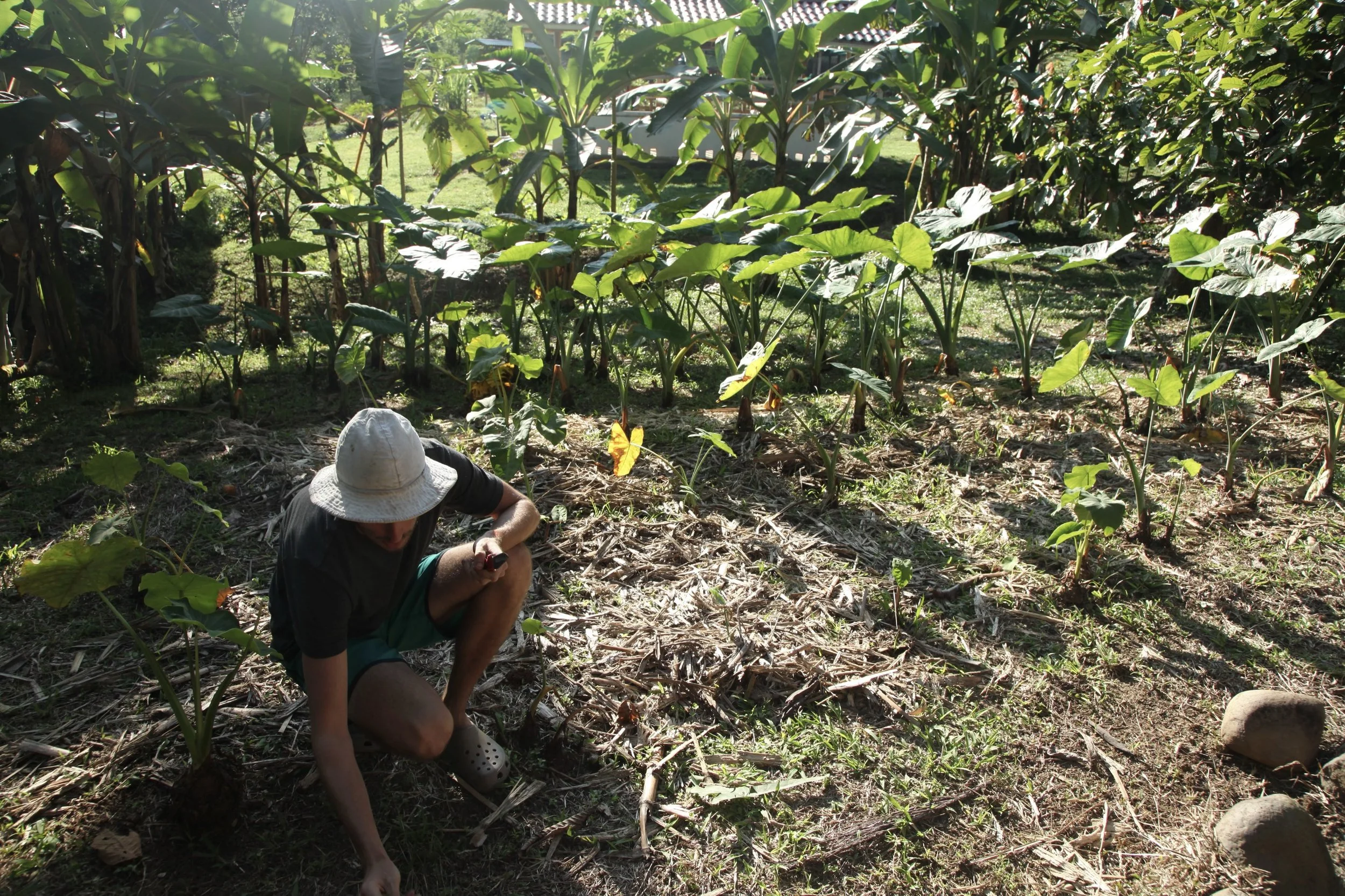
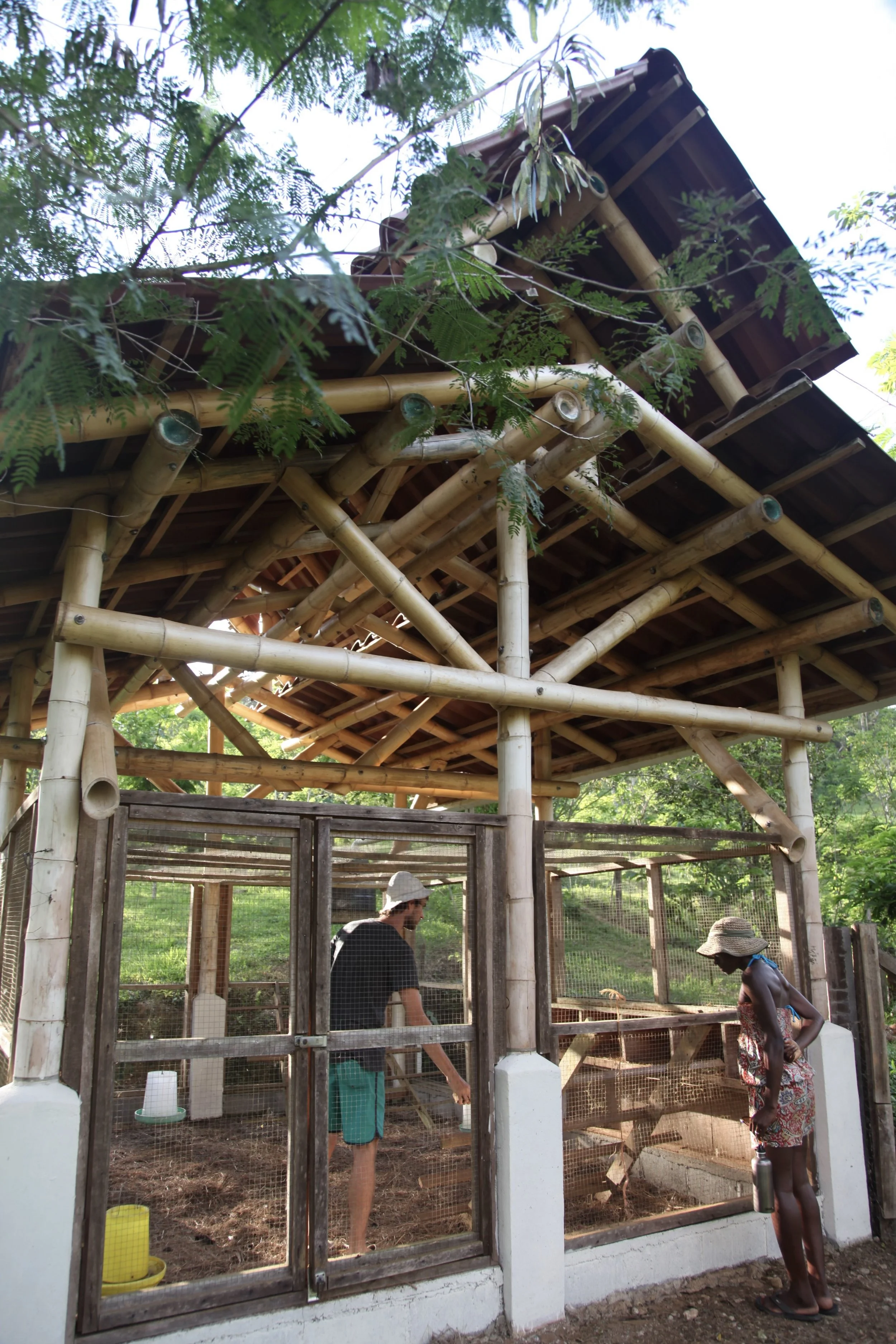
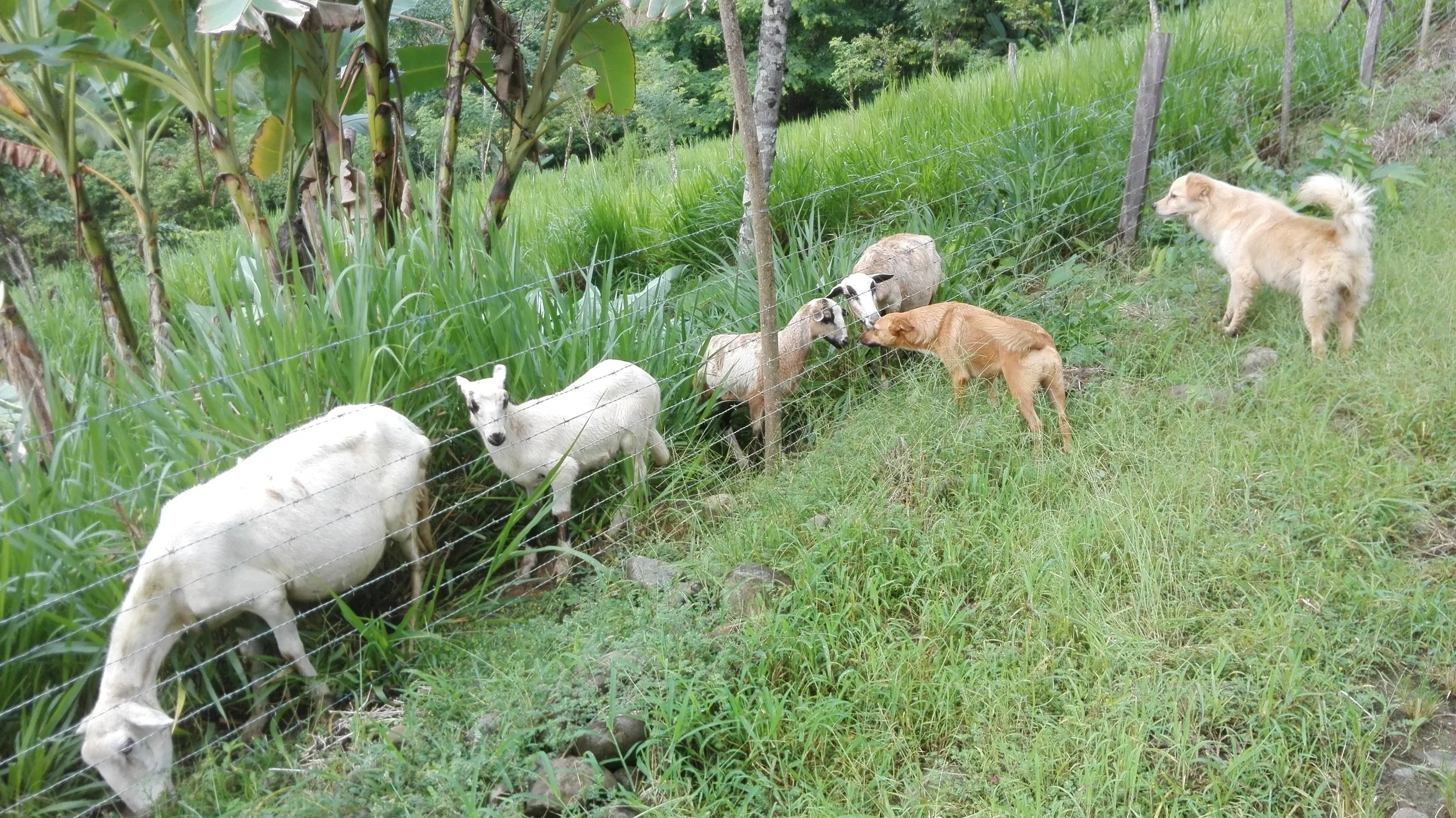
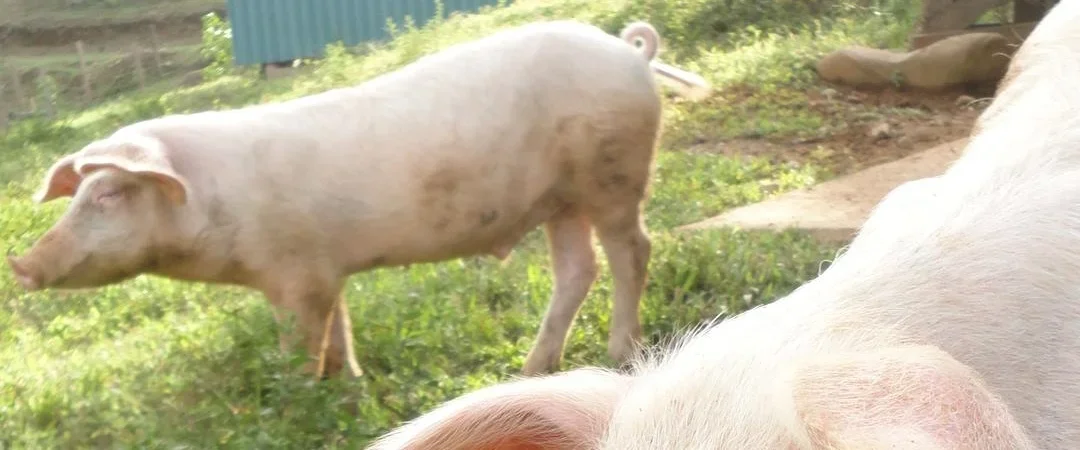
Land at SEED is managed as a regenerative system, integrating food production, animal systems, and long-term ecological recovery.
Community economics without mandatory participation
SEED does not require residents to farm full time, share income, or participate in community businesses.
Some families grow most of their food. Others outsource part of it. Some work remotely. Others run land based businesses. Economic activity at SEED is diverse and individually defined.
Shared infrastructure reduces individual costs and lowers barriers to food production, water access, and land stewardship. At the same time, economic decisions remain personal and self-directed.
This structure allows the community to remain stable across different life stages, income levels, and personal goals. It supports long-term residency without locking households into a single economic model.
Participation in shared systems is optional. Households are responsible for understanding and maintaining the systems they choose to rely on.
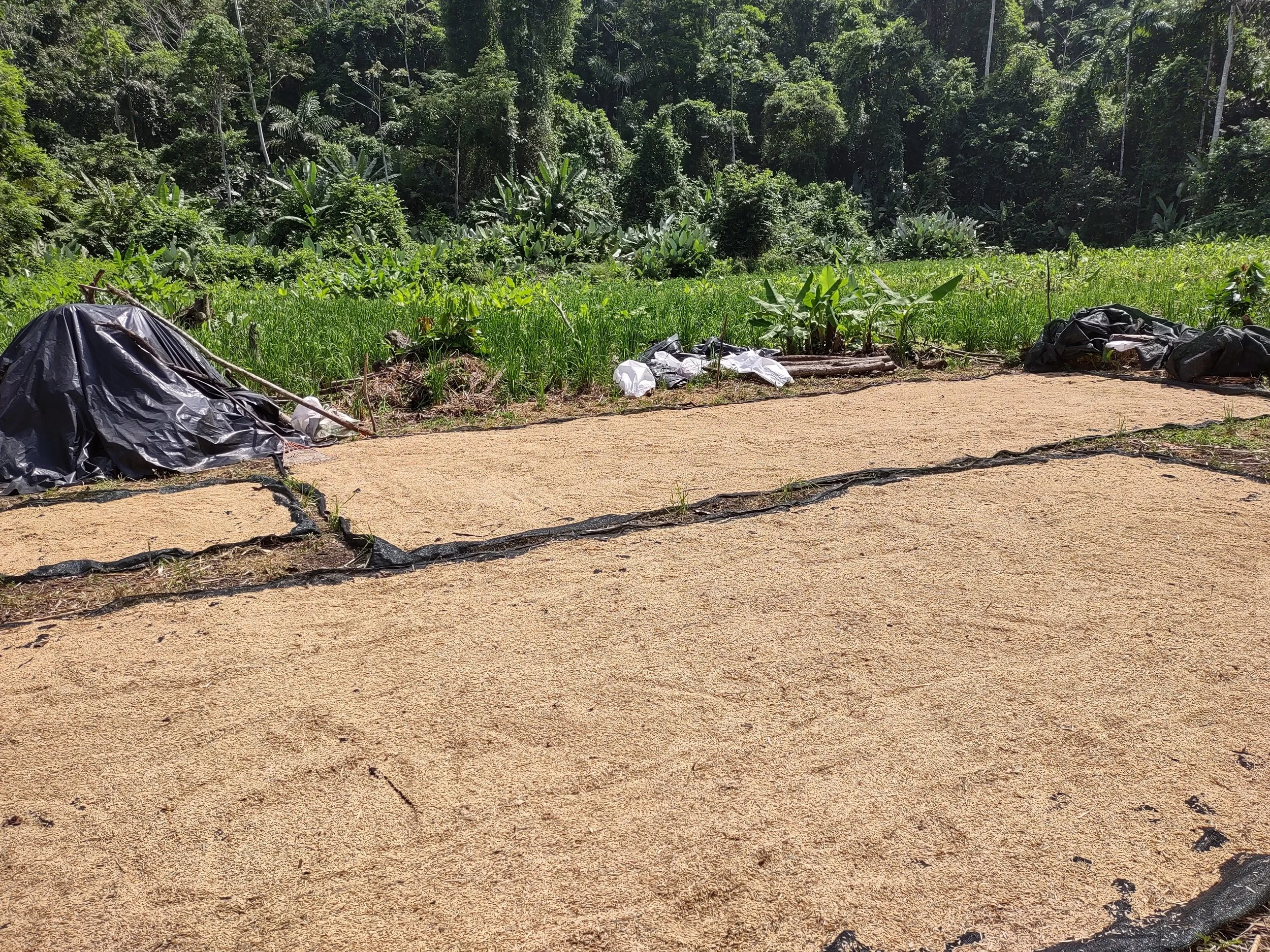
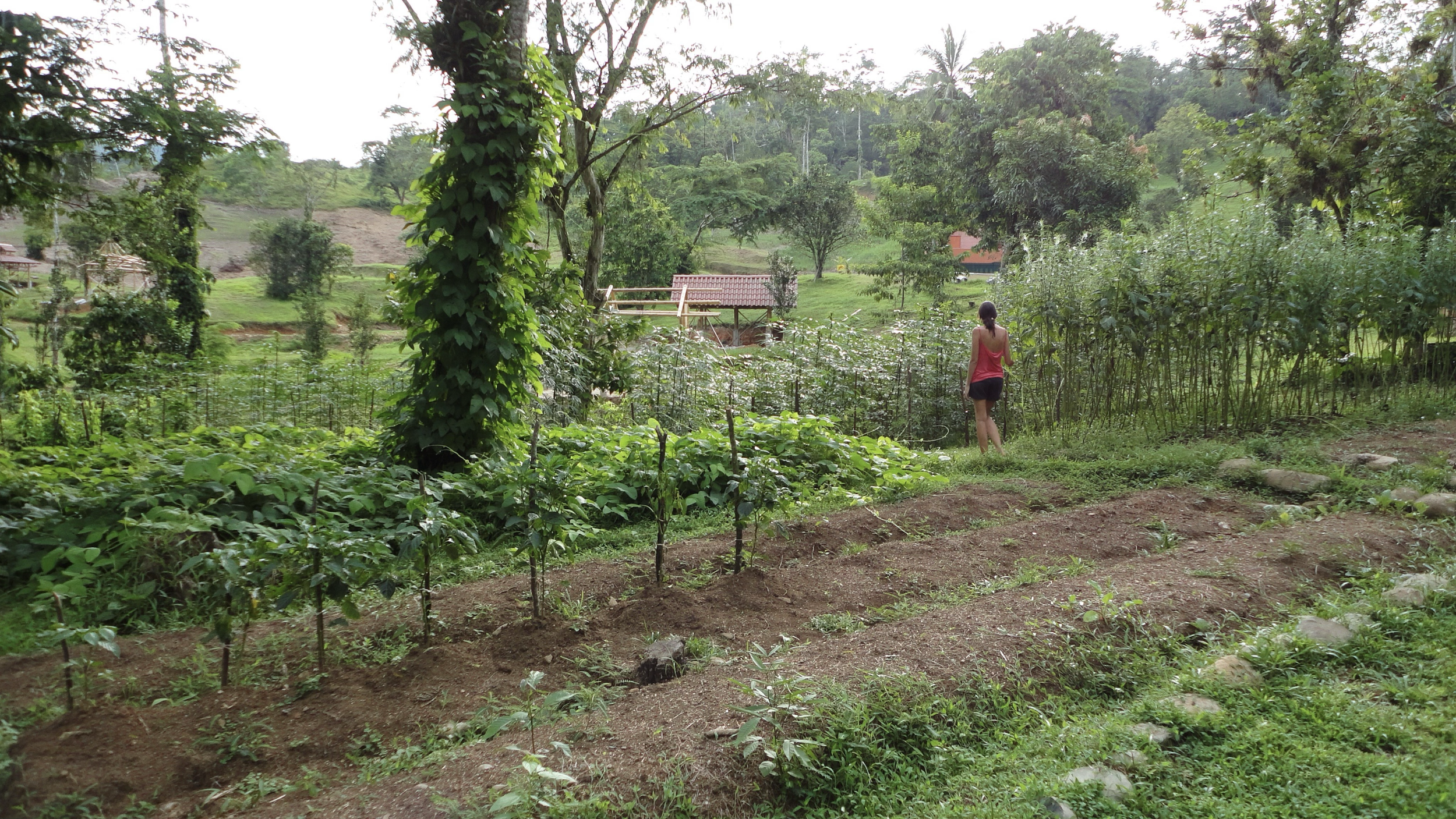
Households choose how and whether they participate in food production or land-based work, according to their needs and capacities.
Relationship to Finca Tierra
SEED did not emerge in isolation.
The community model grew out of years of experimentation at Finca Tierra, where tropical food systems, soil strategies, diet design, and low maintenance infrastructure were tested at household scale before being applied at community scale.
SEED represents a scaled application of those systems, adapted for multiple families living year round in a shared rainforest landscape.
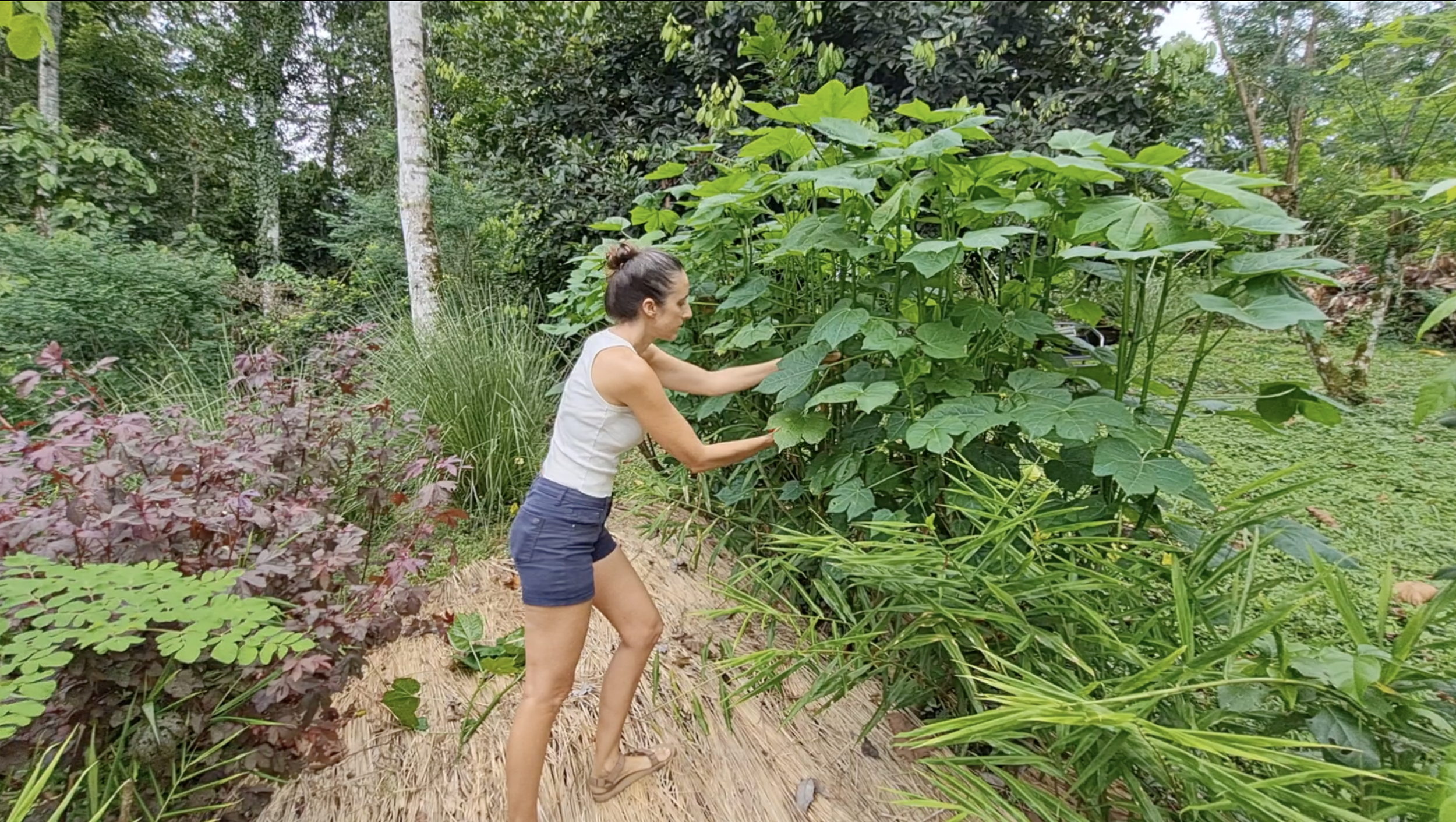
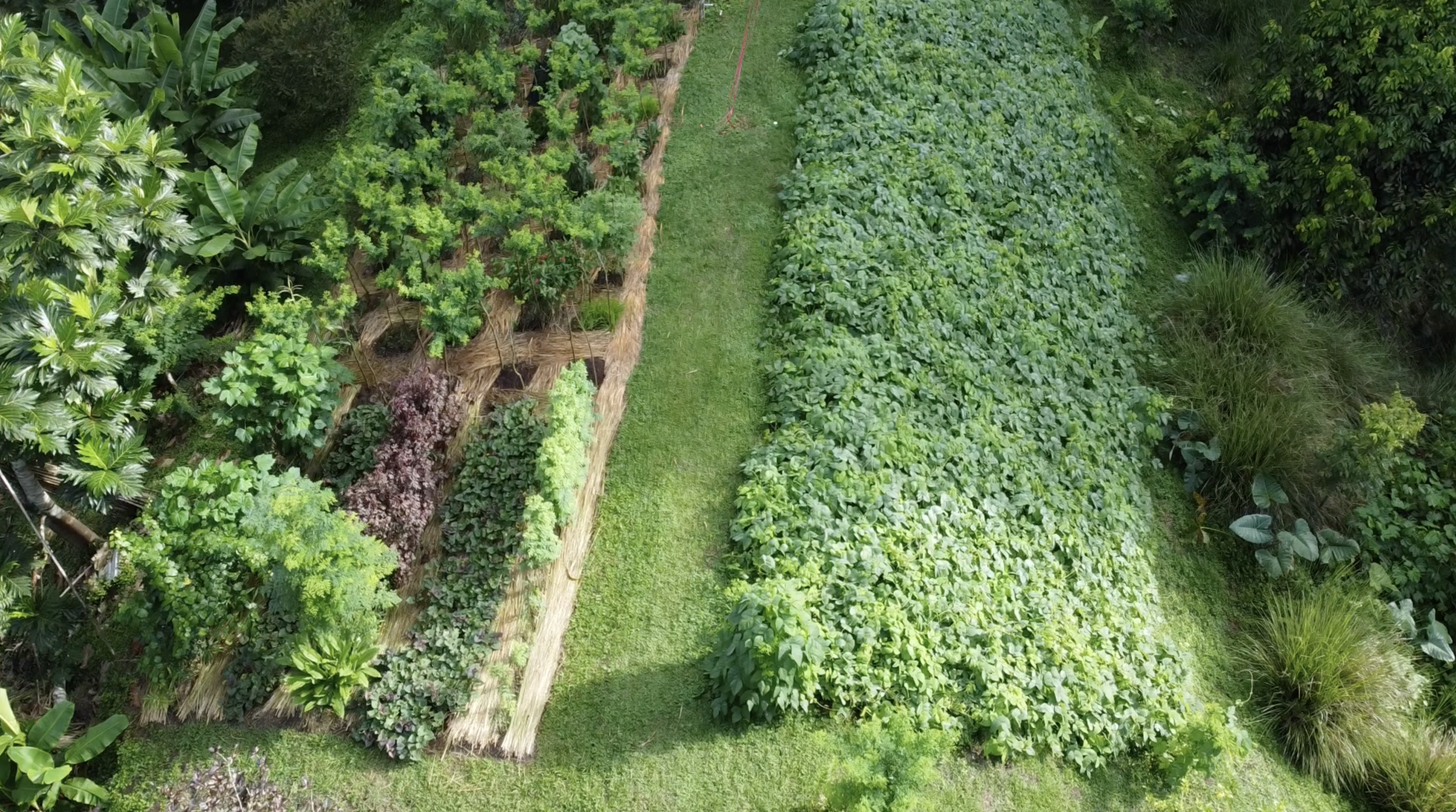
Systems developed at Finca Tierra were tested at household scale before being adapted for multi-family use at SEED.
Who this model works for, and who it does not
SEED is well suited for people who:
Want real food systems, not symbolic sustainability
Value autonomy within a shared ecological framework
Understand that tropical living involves adaptation, not control
It is not designed for:
Short term visitors looking for a curated experience
People expecting services without participation or learning
Those who want the aesthetics of sustainability without the realities of tropical systems
Clarity here has been essential to long term stability.
A living system, not a finished project
SEED continues to evolve.
Crops change. Systems improve. Families adjust their participation over time. The community is not a static model. It is a living tropical system responding to climate, growth, and real human use.
What makes SEED notable is not perfection. It is durability.
It works because it was designed to work under real conditions.
Learn more about SEED Ecovillage in Costa Rica
For those interested in how this model functions in practice — including land structure, shared systems, and long-term residency — further information is available here:
→ SEED Ecovillage in Costa Rica
A land-based community focused on long-term stewardship, daily life, and ecological systems in the humid tropics.
Related reading
How Much Land to Feed a Family: A Complete Tropical Diet on 2,000 m²
Tropical Food Forest: How We Design Perennial Systems in the Humid Tropics
About the Authors
Ian Macaulay is a tropical permaculture designer and educator specializing in food forests, regenerative homesteads, and tropical agroforestry.
Ana Gaspar A. is a Costa Rican lawyer and sustainability advocate focused on bioregional food sovereignty and ecological law.
Together they founded Finca Tierra Education Center, where they live off-grid, teach internationally certified Permaculture Design Courses, and develop replicable models for self-sufficient living in the tropics.