
Best Fruit Trees for Tropical Climate (That Actually Feed You)
If you’re choosing fruit trees for a tropical climate, the most important question isn’t “what grows here?” It’s which trees actually perform reliably in your specific tropical conditions.
In humid tropical regions (Caribbean lowlands, equatorial zones, parts of Southeast Asia), heavy rainfall, fungal pressure, and rapid growth dramatically affect performance.
Below is a structured guide based on climate tolerance, space needs, maintenance level, and system role.
Step 1: Identify Your Climate Type
Before choosing trees, determine whether you are in:
• Humid Tropics (Rainfall year-round or very wet seasons)
High fungal pressure. Constant growth. Drainage and airflow are critical.
• Seasonal / Drier Tropics
Pronounced dry season. Lower fungal pressure. Some trees perform better here.
Many fruit tree lists ignore this distinction. It matters.
In this guide, we’ll begin with the trees that perform best in humid tropical climates. Seasonal and drier-region species are covered further below.
Tier 1: System Anchors
(Core producers in humid tropical climates)
These trees meaningfully contribute calories, fats, or daily-use fruit.
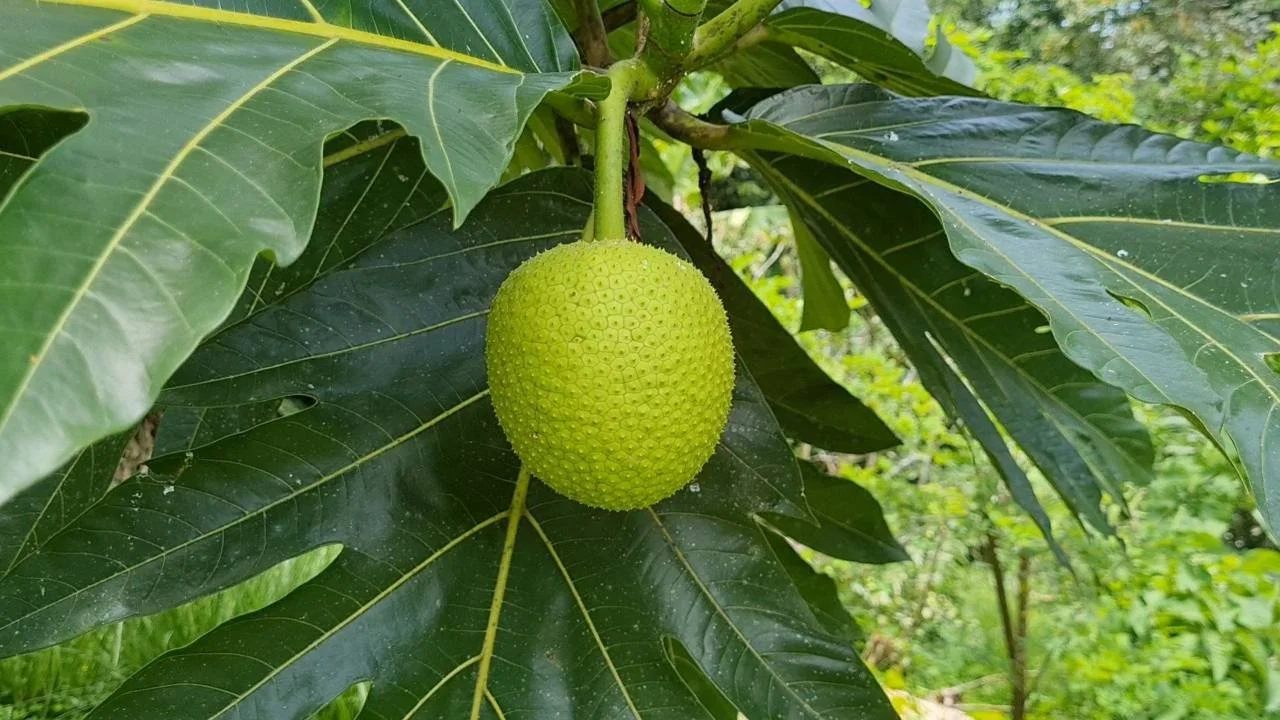
Breadfruit (Artocarpus altilis)
In humid tropical lowlands, breadfruit is one of the few trees that can genuinely function as a staple crop. It tolerates consistent rainfall and, once established, requires very little intervention beyond basic pruning for airflow. It does need space, but for growers looking for a long-term carbohydrate anchor, few trees match its reliability.
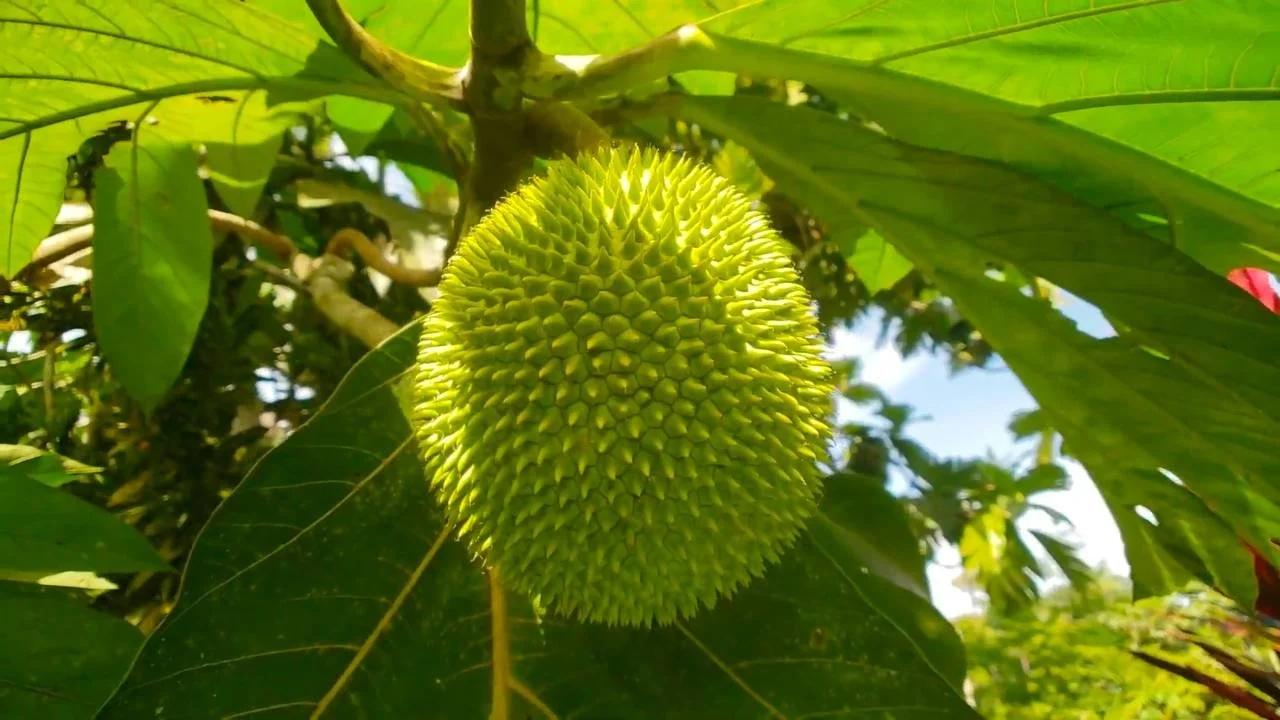
Breadnut (Artocarpus camansi)
In humid tropical climates, breadnut stands out for offering both carbohydrate and protein from a single tree. It thrives in high-rainfall environments and, like breadfruit, requires space for its canopy to develop properly. It’s less commonly planted than other tropical fruit trees, but for those designing resilient food systems, it adds a rare nutritional function.
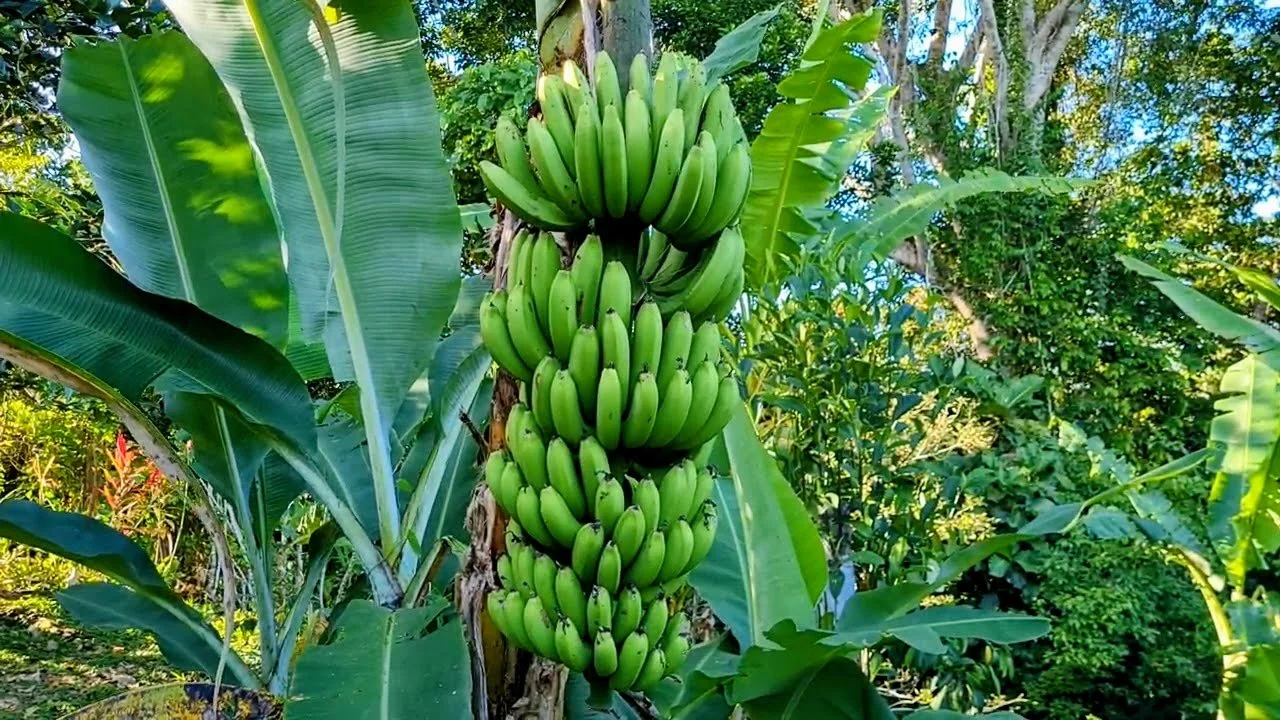
Banana & Plantain (Musa spp.)
In humid tropical lowlands, bananas and plantains are often the first crops to produce meaningful harvests. They handle heavy rain well but require regular thinning and pruning to avoid becoming overcrowded. While technically large herbs rather than trees, they function as essential structural crops in tropical systems, providing food quickly while slower canopy trees mature.
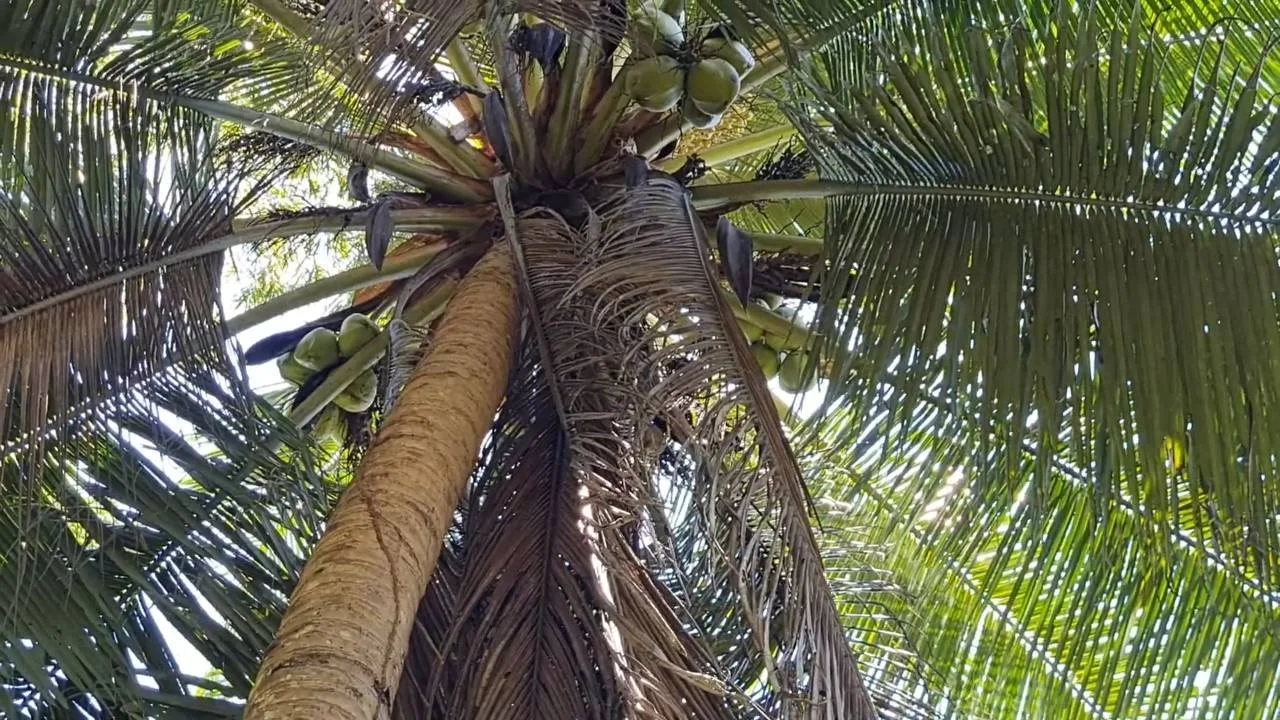
Coconut (Cocos nucifera)
Coconut is one of the most reliable long-term trees in humid tropical climates. It tolerates salt air, heavy rainfall, and minimal intervention once established. Because it grows tall rather than wide, it works well on properties where horizontal canopy space is limited. For growers seeking a stable source of plant-based fats in the tropics, coconut is difficult to replace.
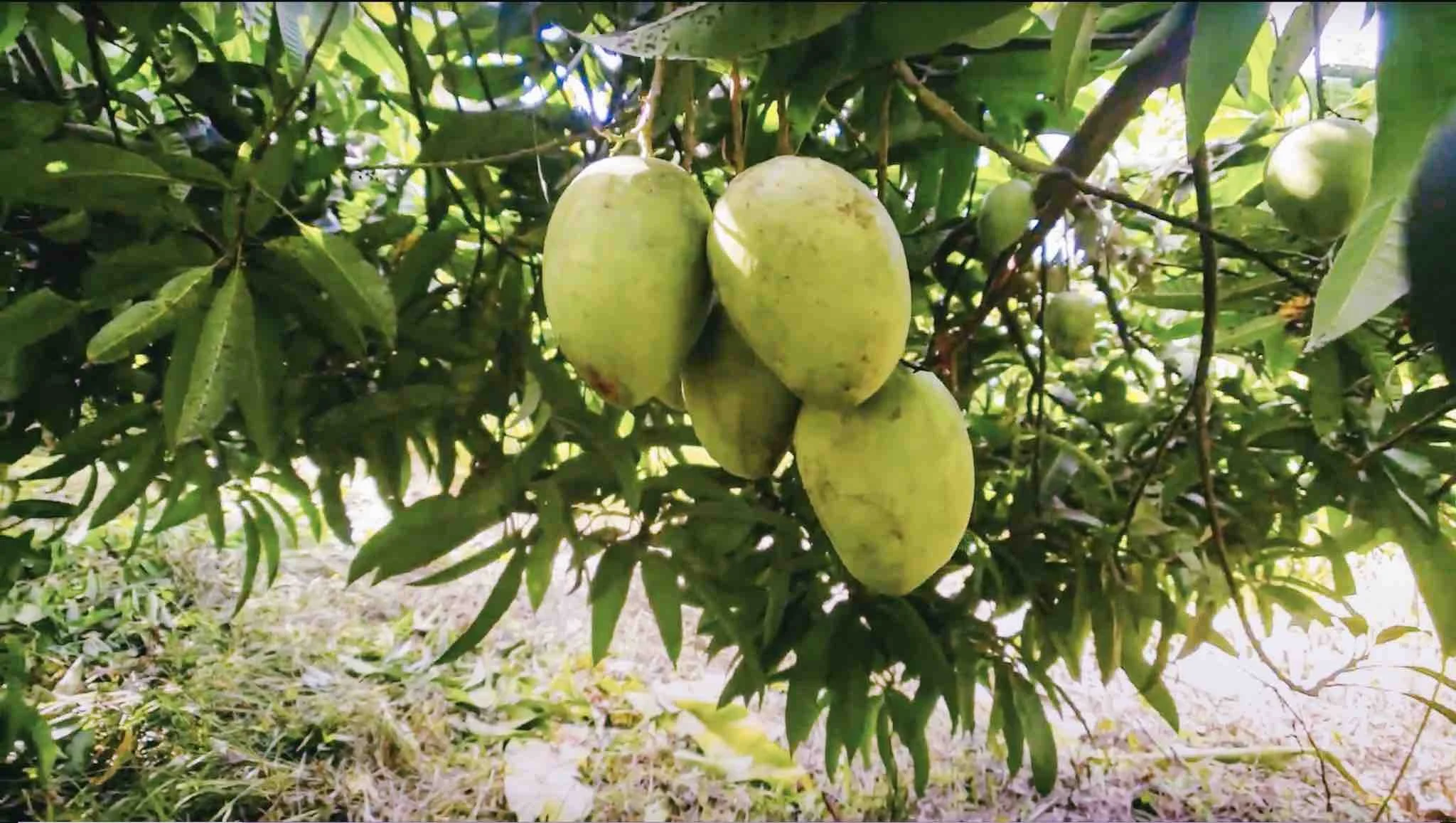
Mango (Mangifera indica)
Mango can be extremely productive in tropical climates, but in humid lowlands it benefits from careful spacing and regular pruning to maintain airflow. Left unmanaged, it grows into a large, dense canopy that increases disease pressure. With intentional shaping and sunlight exposure, however, mango becomes a reliable long-term seasonal producer.
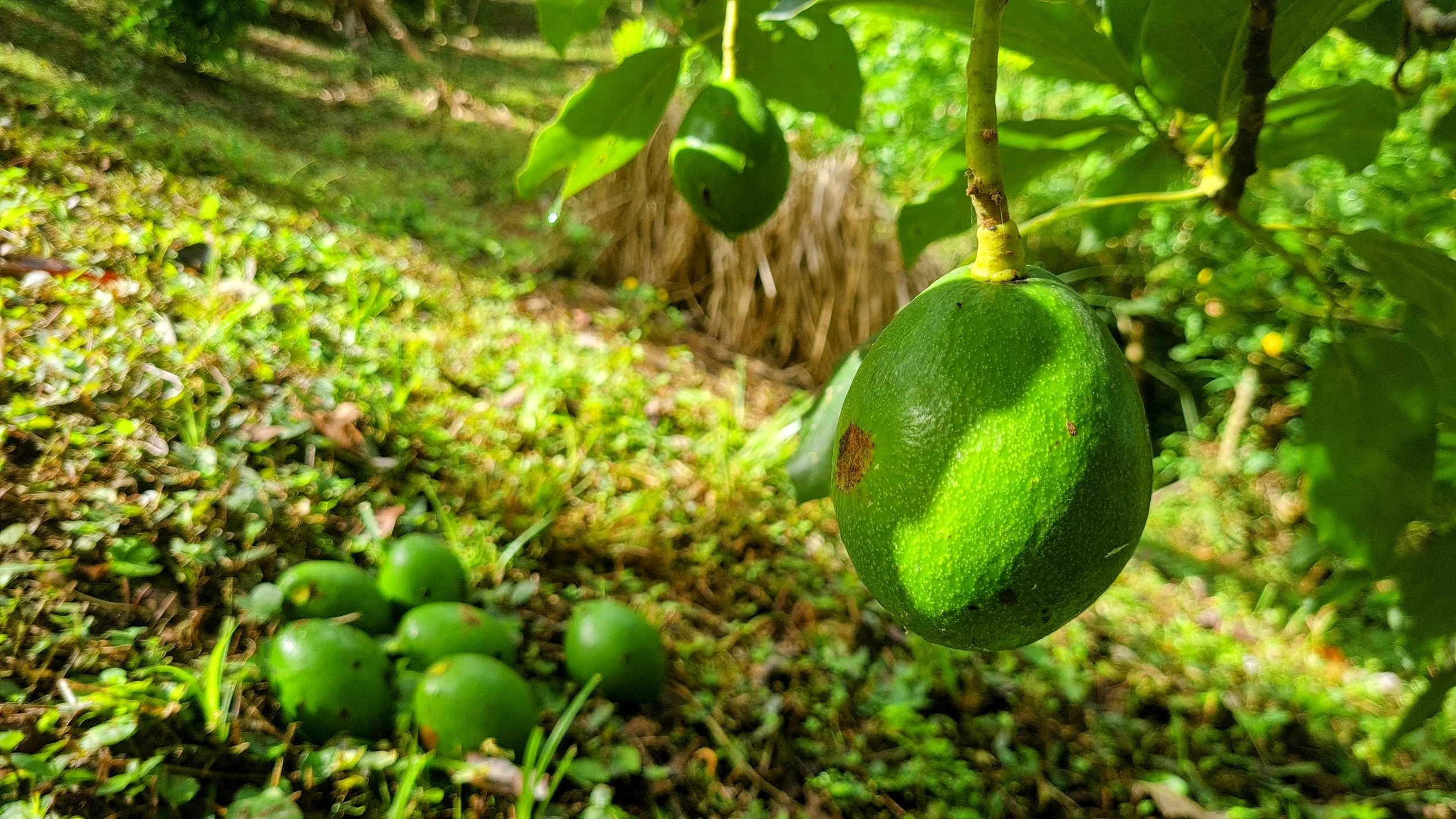
Avocado (Persea americana)
Avocado can thrive in tropical climates, but it is less forgiving in very wet lowlands. It prefers elevation, drainage, and airflow, and will struggle in areas that remain saturated after heavy rain. When planted intentionally rather than randomly, it provides one of the most reliable perennial fat sources available in the tropics.
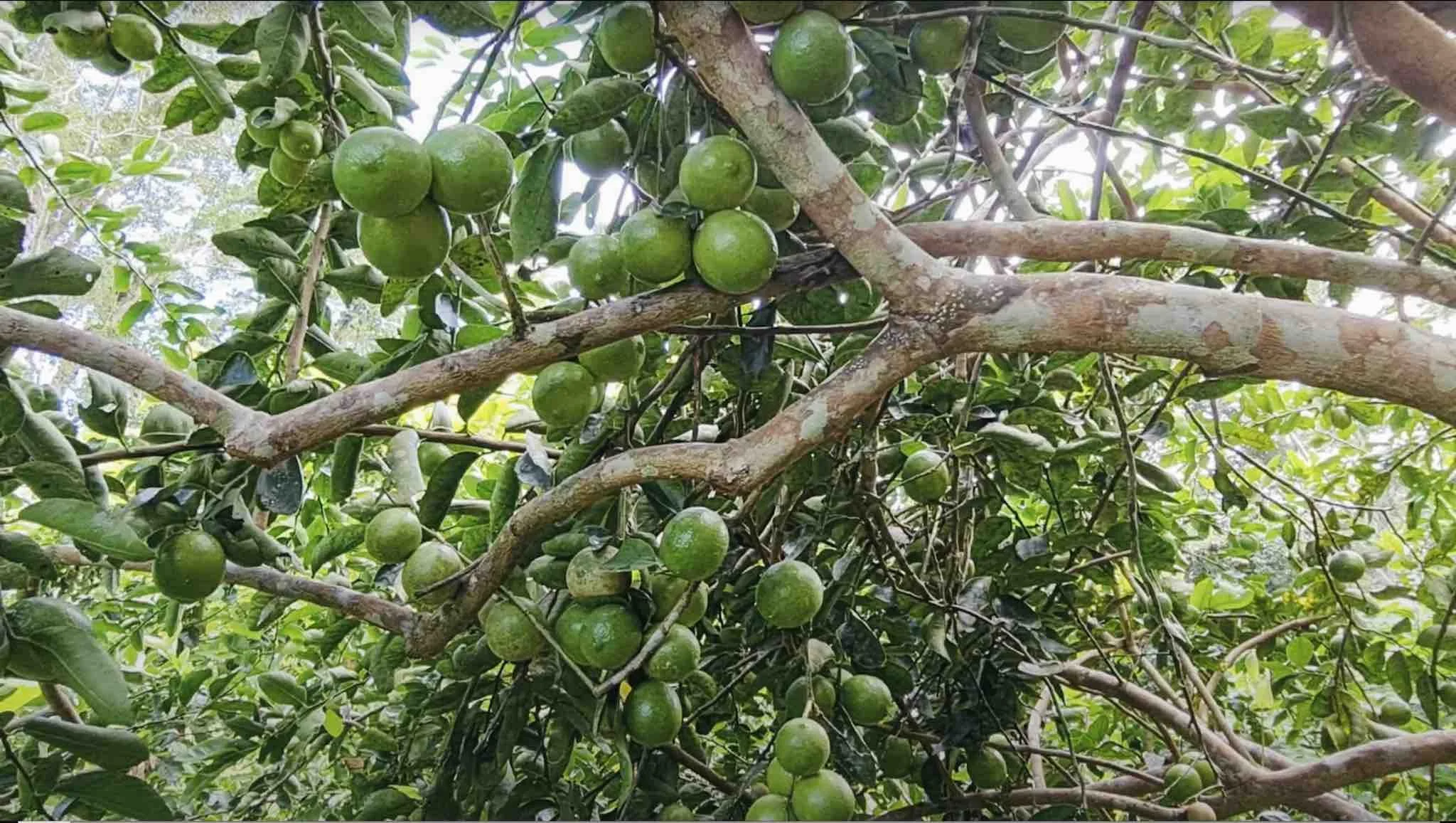
Citrus (Lime, Lemon, Mandarin, Orange)
Citrus plays an essential role in tropical food systems, particularly for daily cooking. In humid climates, lime is often the most reliable performer, tolerating heavy rainfall better than some larger-fruited varieties. Citrus requires full sun and good airflow to reduce fungal pressure, especially in consistently wet regions. With proper spacing and pruning, it can provide steady harvests throughout much of the year.
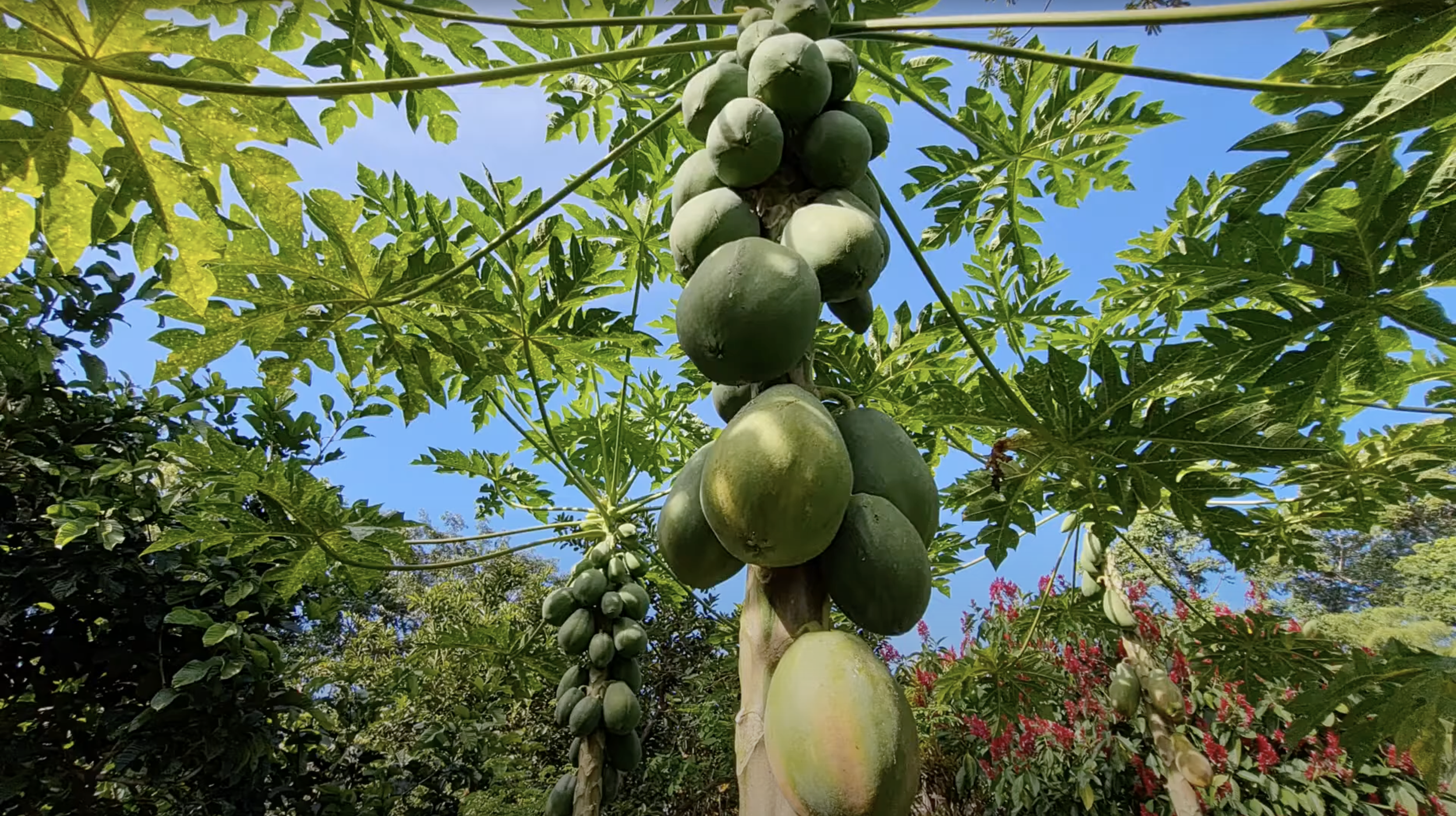
Papaya (Carica papaya)
Papaya is one of the fastest-fruiting crops in humid tropical climates and can begin producing within its first year. It performs well in high rainfall but requires good drainage and airflow to avoid disease pressure. While short-lived and occasionally susceptible to pests, it can be highly productive when planted in well-drained soil and replaced regularly.
Tier 2: Reliable Humid Performers
(Strong contributors but not primary anchors)
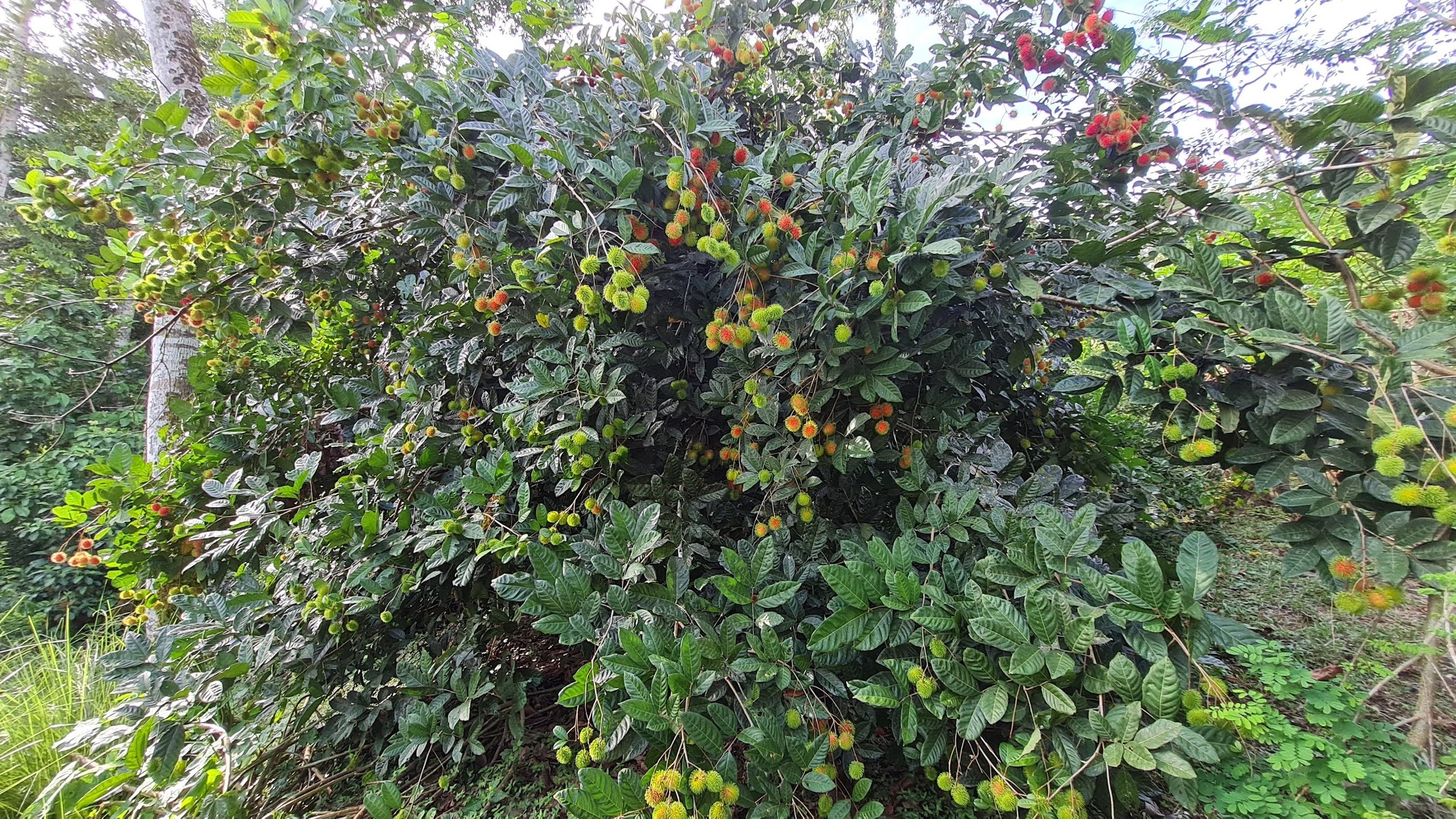
Rambutan (Nephelium lappaceum)
Rambutan grows well in humid lowlands with steady rainfall. It takes time to start producing and becomes a fairly large tree, so it’s better suited to medium or larger properties. In the right climate it can be reliable, but it’s not a foundational crop.
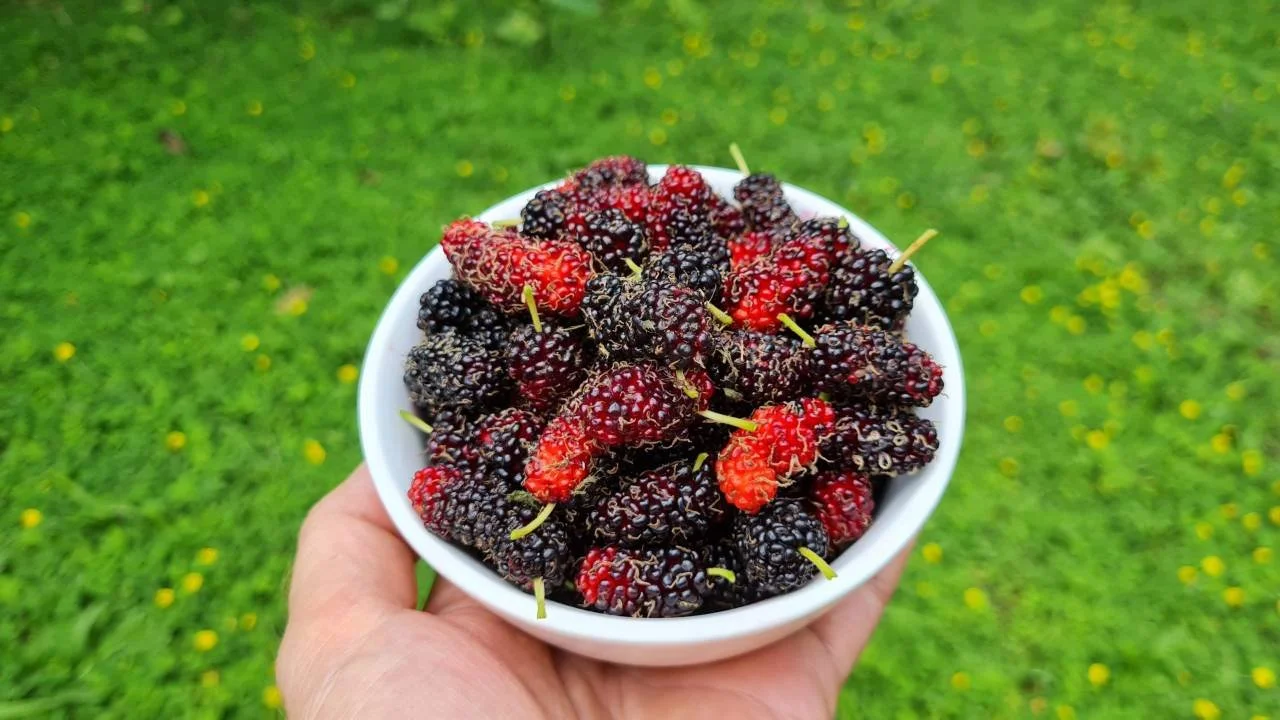
Mulberry
Mulberry is one of the most forgiving fruit trees for humid tropical climates. It tolerates heavy rainfall, responds well to pruning, and begins producing quickly. Because it stays relatively manageable in size, it works well on small properties and along edges. For growers wanting a low-maintenance tree that produces consistently with minimal attention, mulberry is hard to beat.
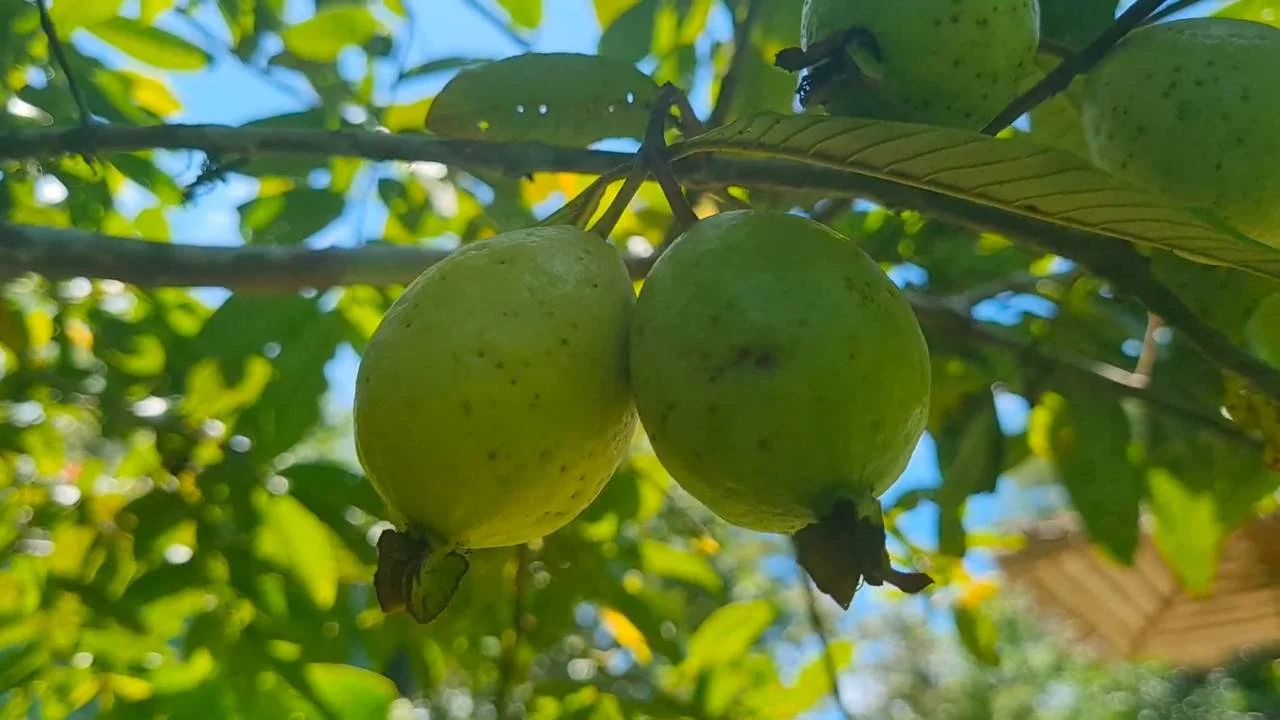
Guava (Psidium guajava)
Guava is one of the most reliable fruit trees for humid tropical climates. It tolerates heavy rainfall, performs well in nutrient-leached soils, and continues producing even with minimal intervention. Because it responds well to pruning and stays relatively compact, it works on both small and medium properties.
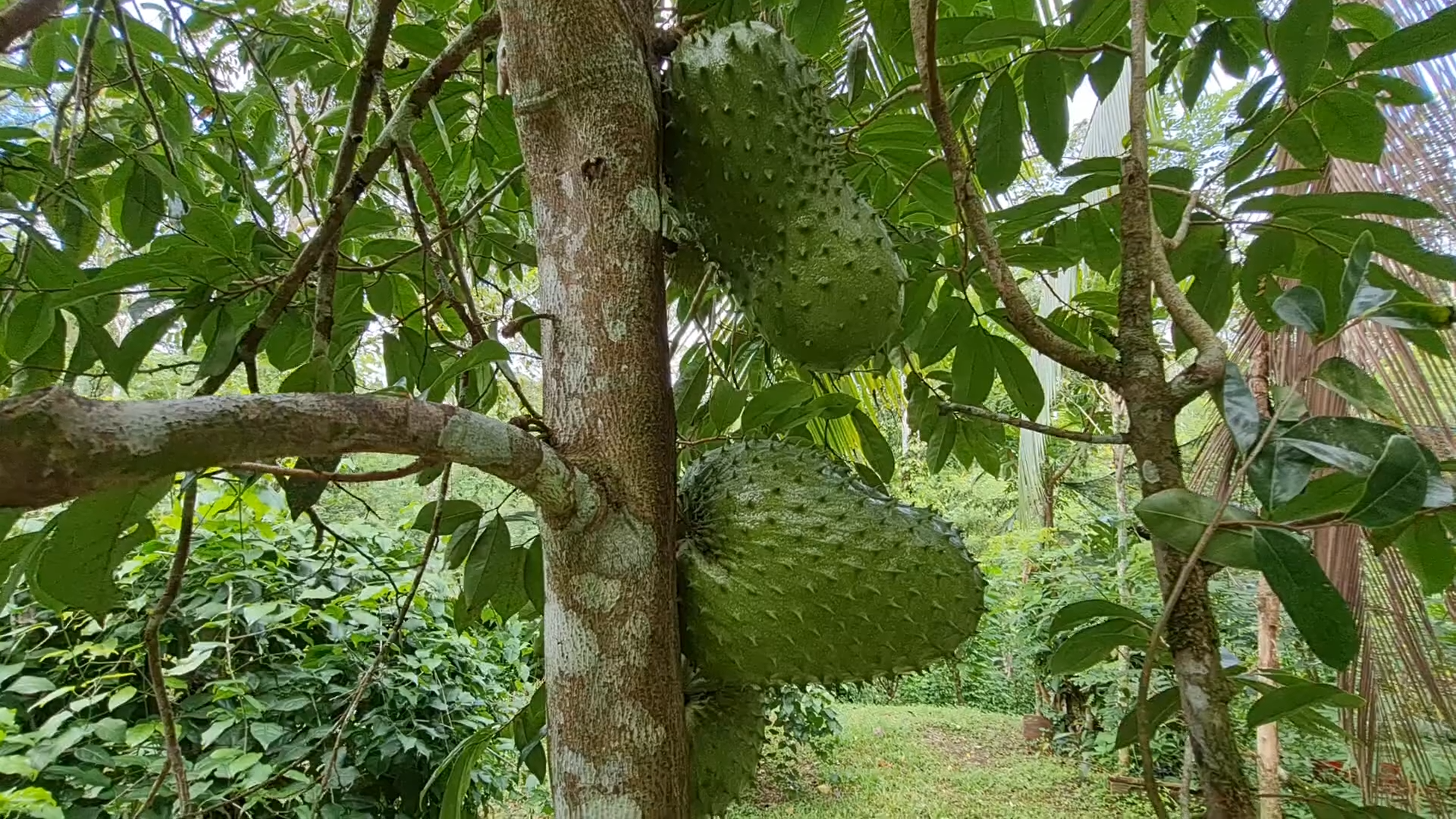
Soursop (Annona muricata)
In true humid tropical climates, soursop is one of the more dependable annonas. It thrives in consistently moist conditions and handles heavy rainfall better than many related species. However, it is less tolerant of cold snaps or prolonged dry seasons, making it best suited to low-elevation, high-humidity zones.
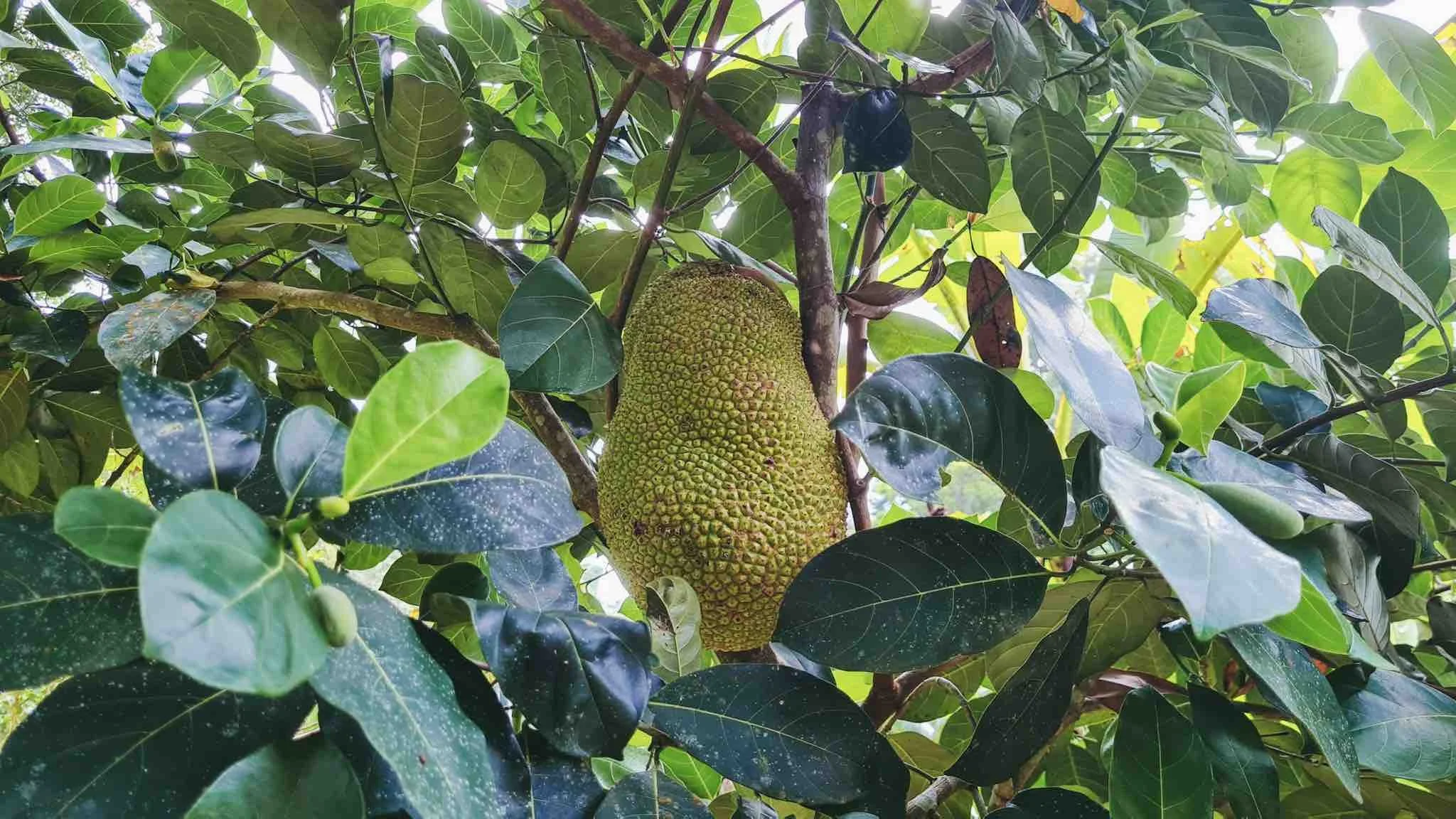
Jackfruit (Artocarpus heterophyllus)
In humid tropical climates, jackfruit is a vigorous and dependable producer that tolerates heavy rainfall well. Left unmanaged, it can develop into a very large canopy tree, but it responds well to consistent structural pruning. When shaped intentionally from an early stage, it can be kept at a manageable size without overwhelming the surrounding system.
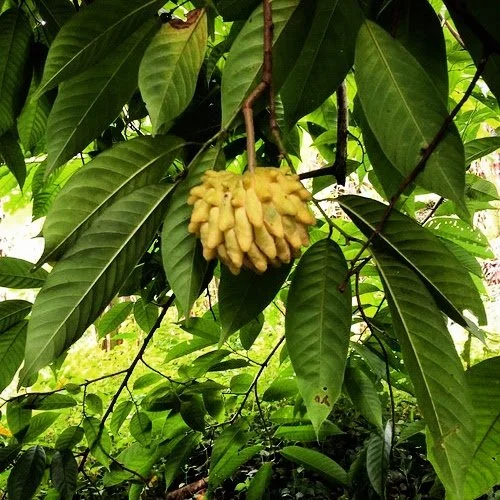
Rollinia (Biriba) (Annona mucosa)
Rollinia performs exceptionally well in humid tropical lowlands and establishes quickly in high-rainfall environments. It begins producing relatively early compared to many canopy trees and can be surprisingly productive once mature. Because the fruit is delicate and short-lived after harvest, it is best suited to home growers rather than commercial transport.
Abiu (Pouteria caimito)
Abiu performs very well in humid tropical lowlands and tolerates consistent rainfall with relatively low disease pressure. It establishes more quickly than many fruits and produces reliably once mature. For growers seeking a smooth, sweet fruit that handles high humidity well, abiu is a strong option.
Malay Apple / Wax Apple (Syzygium spp.)
Malay apple and wax apple perform well in humid tropical lowlands and tolerate consistently wet conditions better than many fruit trees. They establish quickly and can produce reliably once mature. Because the fruit is light and water-rich rather than calorie-dense, these trees are best viewed as supplemental producers rather than staple crops.
Tier 3: Specialty & Long-Term Trees
Valuable but slower, climate-sensitive, or less nutritionally central.
Mangosteen (Garcinia mangostana)
Mangosteen thrives in true humid tropical lowlands with stable moisture and minimal seasonal stress. It is slow to establish and can require many years before fruiting, but in climates that suit it, it performs well. Because of its long juvenile period, it is best viewed as a long-term specialty addition rather than a foundational crop.
Jaboticaba (Plinia spp.)
Jaboticaba performs well in humid conditions and tolerates consistent rainfall. However, it grows slowly and may take many years before producing substantial harvests. It is well suited to growers who value long-term investment trees and are willing to wait for gradual establishment.
Durian (Durio spp.)
Durian does well in true humid tropical lowlands where rainfall is consistent and there is no strong dry season. It’s not a universal tropical tree. In the right climate it can thrive, but it requires patience and space, and it’s a long-term commitment.
Peach Palm (Spineless) (Bactris gasipaes)
Spineless peach palm performs well in humid tropical environments and offers both edible fruit and heart of palm. It requires space and management, and fruit harvest can be affected by wildlife pressure. While culturally important in parts of Central and South America, it is not essential for most small-scale food systems.
Sapodilla (Manilkara zapota)
Sapodilla tolerates humid tropical climates and develops into a dense canopy tree over time. It is generally slow to establish but can produce reliably once mature. Because it requires space and patience, it is best suited to larger properties or long-term plantings.
Star Apple (Chrysophyllum cainito)
Star apple tolerates humid lowland conditions reasonably well and develops into an attractive mid-to-large canopy tree. It can produce reliably once established, though it is not a calorie-dense crop. It fits well as a supplemental fruit tree in larger systems.
Lychee (Litchi chinensis)
Lychee prefers climates with a subtle dry or cool period to trigger reliable flowering. In constantly wet lowland tropics, fruiting can be inconsistent. It may perform better at slightly higher elevations or in seasonal tropical zones. While desirable, it should be planted with realistic expectations regarding climate sensitivity.
Longan (Dimocarpus longan)
Longan has similar climate requirements to lychee and benefits from a seasonal signal to flower consistently. It can grow in humid tropical environments but may not fruit reliably without a defined dry period. Best suited to transitional or seasonal tropical climates rather than persistently wet lowlands.
Not Trees, But Essential
Some of the most productive tropical crops aren’t trees at all.
But they deserve space in any serious tropical system.
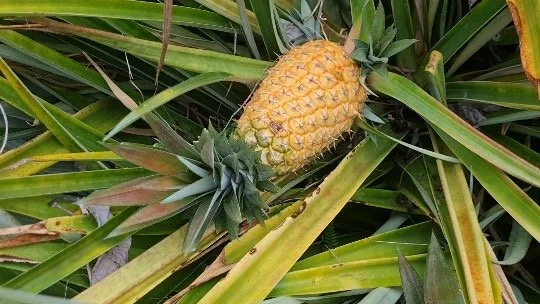
Pineapple (Ananas comosus)
Pineapple isn’t a tree, but it fits perfectly into humid tropical systems. It grows well between young fruit trees, handles heavy rainfall without issue, and doesn’t compete aggressively for canopy space. Because it can be planted in small rotating patches, it’s easy to maintain steady production without dedicating large areas. In humid lowlands, it’s one of the most practical fruit crops you can add.
Passionfruit (Vine)
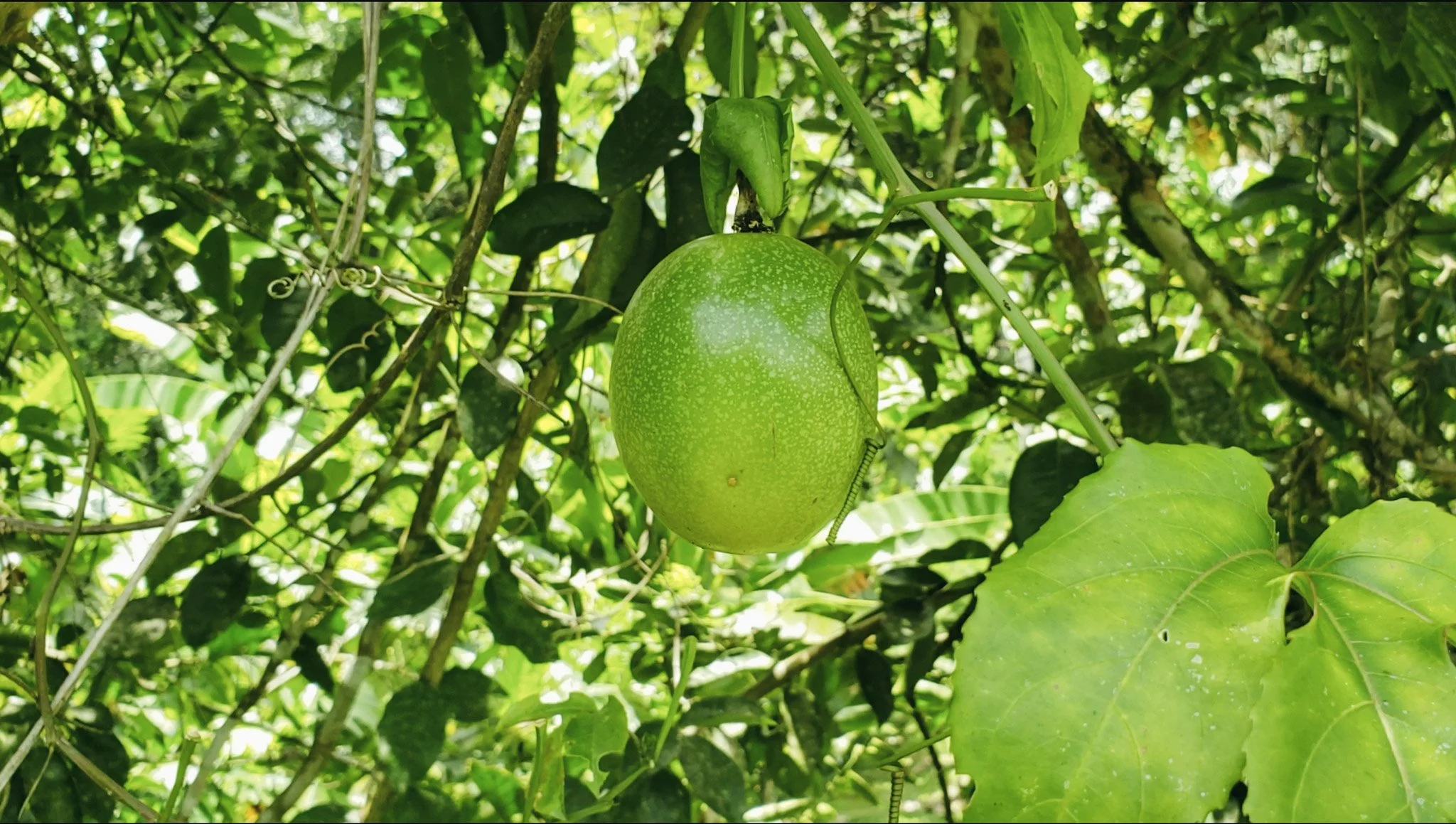
Passionfruit performs very well in humid tropical climates but requires strong vertical support. It should be grown on dedicated support species or structures rather than directly on fruit trees, as it can block light and reduce productivity. When managed properly, it produces heavily and establishes quickly, making it one of the most efficient vine crops in the tropics.
Tier 4: Fruit Trees Better Suited to Seasonal or Drier Tropics
Some tropical fruit trees grow best where there is a clear dry season. They may survive in humid lowlands, but constant rainfall and fungal pressure can reduce flowering, fruit quality, or overall reliability.
Cashew (Anacardium occidentale)
Cashew performs best in seasonal or drier tropical climates where a defined dry period supports flowering and nut development. In very wet lowlands, production is often inconsistent. While the cashew apple is edible, it is an acquired taste for many, and processing the nut requires caution due to its caustic shell oils. For most humid tropical growers, cashew is not an essential tree.
Tamarind (Tamarindus indica)
Tamarind is an extremely durable tree that thrives in seasonal tropical climates with distinct dry periods. It tolerates drought well and can live for decades, but it is less adapted to persistently wet lowland environments. Its fruit is highly valued for culinary use, though it functions more as a flavor crop than a staple food source.
Pomegranate (Punica granatum)
Pomegranate prefers dry subtropical or seasonal tropical climates with strong sun and low humidity. In humid lowlands, it often struggles with fungal pressure and inconsistent fruit quality. It can succeed in well-drained, exposed locations, but it is generally better suited to drier regions.
Fig (Ficus carica)
Fig prefers hot, sunny conditions with good drainage and lower humidity. In very wet tropical lowlands, it can struggle with fungal issues and poor fruit set. If planted in the tropics, it needs the driest, most exposed location available and realistic expectations
Tropical Fruit Tree Climate & Performance Comparison
The chart below compares time to harvest, climate fit, and functional role across the most important tropical fruit trees.
| Fruit Tree | Time to Harvest | Best Climate | Main Role & Notes |
|---|---|---|---|
| Breadfruit | 3–5 years | Humid lowlands / Mid elevation | Staple starch tree. High carbohydrate yield, long-lived, minimal maintenance once established. |
| Breadnut | 3–5 years | Humid lowlands / Mid elevation | Starch + plant protein. One of the few trees contributing meaningful protein in tropical systems. |
| Banana & Plantain | 9–12 months | All tropical climates | Fast calorie crop. Produces quickly while slower canopy trees mature. |
| Coconut (Dwarf) | 4–6 years | Humid lowlands / Coastal | Primary fat source. Extremely durable and vertically structured canopy. |
| Mango | 3–5 years | Humid / Mid elevation / Seasonal | Heavy seasonal producer. Requires pruning and airflow in humid zones. |
| Avocado | 3–5 years | Mid elevation / Humid (with drainage) | Major perennial fat source. Sensitive to waterlogging in very wet soils. |
| Citrus (Lime focus) | 2–4 years | Humid / Mid elevation / Seasonal | Essential daily-use fruit. Full sun and airflow reduce fungal pressure. |
| Papaya | Under 1 year | Humid / Mid elevation | Continuous fruiting. Short-lived but highly productive when rotated. |
| Guava | 2–3 years | Humid / Mid elevation | Extremely hardy and forgiving. Reliable even in nutrient-leached soils. |
| Mulberry | 1–2 years | Humid / Mid elevation | Fast and forgiving. Responds well to pruning and works well in small spaces. |
| Jackfruit | 3–5 years | Humid / Mid elevation | Large yields. Requires structural pruning for canopy control. |
| Rambutan (Grafted) | 4 years | Humid lowlands | Strong humid performer. Large canopy; not ideal in seasonal dry climates. |
| Soursop | 2–3 years | Humid lowlands | Excellent humid performer. Best in low-elevation, high-humidity zones. |
| Rollinia (Annona mucosa) | 2–3 years | Humid lowlands | Fast-growing and productive. Fruit is delicate and short-lived. |
| Abiu | 3–4 years | Humid / Mid elevation | Sweet dessert fruit. Reliable humid performer. |
| Mangosteen | 7–10 years | True humid lowlands only | Slow to establish but thrives in stable, high-humidity climates. |
| Durian | 6–8 years | True humid lowlands | High-value long-term tree requiring consistent rainfall. |
| Jaboticaba | 6–10 years | Humid / Mid elevation | Slow-growing but humidity tolerant. Long-term specialty tree. |
| Peach Palm (Spineless) | 4–6 years | Humid / Mid elevation | Edible fruit and heart of palm. Wildlife pressure possible. |
| Sapodilla | 5–7 years | Humid / Mid elevation / Seasonal | Slow but reliable. Dense canopy tree suited to larger properties. |
| Star Apple | 4–6 years | Humid / Mid elevation | Attractive mid-to-large tree. Supplemental fruit, not staple. |
| Lychee | 4–6 years | Mid elevation / Seasonal | Needs slight dry/cool period for reliable flowering. |
| Longan | 4–6 years | Mid elevation / Seasonal | Climate-sensitive. Benefits from seasonal flowering trigger. |
| Cashew | 3–5 years | Seasonal / Dry tropics | Better suited to dry climates. Nut processing is complex. |
| Tamarind | 6–8 years | Seasonal / Dry tropics | Extremely durable but prefers defined dry season. |
| Pomegranate | 2–4 years | Dry / Subtropical | Struggles in heavy humidity. Performs best in dry zones. |
| Fig | 1–2 years | Dry slopes / Seasonal | Needs sun and drainage. Not ideal in wet lowlands. |
| Pineapple | 12–18 months | All tropical climates | Not a tree, but excellent between canopy trees. |
| Passionfruit | 1 year | Humid / Mid elevation | High-yield vine. Use dedicated support species. |
Best Tropical Fruit Trees for Small Yards
If space is limited, focus on trees that:
• Respond well to pruning
• Stay naturally compact
• Produce early
• Don’t dominate canopy space
Good options for smaller properties:
• Banana / Plantain – Fast production and easy to thin
• Papaya – Short-lived but quick and productive
• Guava – Compact and very forgiving
• Mulberry – Responds well to shaping
• Citrus (especially lime and lemon) – Manageable and useful daily
• Dwarf mango varieties – If pruned consistently
Trees to approach cautiously in small spaces:
• Jackfruit – Manageable, but only with disciplined pruning
• Rambutan – Large canopy over time
• Durian – Long-term and space-demanding
In small gardens, spacing and airflow matter more than variety count. A few well-managed trees outperform a crowded planting.
Elevation Matters in the Tropics
Not all tropical climates are the same. Elevation significantly influences temperature, rainfall patterns, and flowering cycles.
Lowland humid tropics (0–400m):
High humidity, warm year-round temperatures, heavy rainfall. Best for coconut, breadfruit, soursop, rollinia, and many humid-adapted species.Mid-elevation tropics (400–900m):
Slightly cooler nights, reduced fungal pressure. Mango, avocado, citrus, and some lychee varieties may perform better here.Seasonal or dry tropics:
A defined dry season improves flowering for species like cashew, tamarind, and longan.
Choosing trees without considering elevation often leads to disappointment.
How to Choose the Right Mix
If you’re starting in the humid tropics, don’t plant everything at once.
Start with a handful of true anchors — the trees that actually feed you.
The ones that provide real calories, fats, or daily-use fruit.
Build around those.
In most humid tropical systems, that means establishing a small group of Tier 1 trees first, the species that tolerate rainfall, handle fungal pressure, and contribute meaningful nutrition.
Then add diversity from Tier 2, reliable performers that spread harvests across the year and increase resilience.
Only include Tier 3 species if your climate clearly matches their needs and you’re willing to wait. Many of them are excellent trees — just not urgent ones.
More species does not mean more food.
Spacing, airflow, drainage, and light matter more than variety count.
A well-spaced system of eight thoughtful trees will outperform fifteen crowded ones.
If you want to see how we integrate these into a layered agroforestry layout, read our Tropical Food Forest Design guide.
And if your question is how many trees it actually takes to feed a family, that depends on yield, climate, and spacing, which we break down in How Much Land to Feed a Family in the Tropics.
Learn How to Design a Complete Tropical Food System
Choosing the right fruit trees is only one part of designing a productive tropical food system. The real challenge is understanding how fruit trees fit together with staple crops, perennial greens, protein sources, and vegetable gardens to produce food year after year.
Our Online Tropical Permaculture Course teaches the complete design process step-by-step, including:
tropical crop selection
food forest design and layout
staple, protein, and fat crop planning
vegetable garden integration
real examples from our tropical homestead in Costa Rica
→ Online Tropical Permaculture Course
For those who prefer hands-on learning, we also offer on-site Permaculture Design Courses at Finca Tierra in Costa Rica.
Related Reading
Tropical Food Forest Design: A Complete Guide for the Tropics
What Crops Grow Best in the Tropics (Vegetables, Staples & Protein Crops)
How Much Land to Feed a Family: A Complete Diet on ½ Acre (2,000 m²)
Final Thoughts
The best fruit trees for a tropical climate aren’t the rarest or the most exotic.
They’re the ones that reliably produce in your rainfall pattern.
The ones that tolerate humidity and fungal pressure.
The ones that fit your land size and actually contribute meaningful food.
In the humid tropics, climate discipline matters more than plant collecting.
About the Authors
Ian Macaulay is a tropical permaculture designer and educator with more than fifteen years of experience designing food forests, regenerative homesteads, and climate-specific food systems in the humid tropics.
Ana Gaspar A. is a Costa Rican human rights lawyer and sustainability advocate working at the intersection of food sovereignty, bioregional organization, and eco-legality.
Together, they founded Finca Tierra Education Center, where they live off-grid in Costa Rica’s Caribbean lowlands and develop replicable models for self-sufficient tropical living.