
Tropical Permaculture Online Course
Grow a Complete Tropical Food System — Even on ½ Acre
Design, grow, and cook a self-sufficient food system using methods refined over 15+ years in Costa Rica.
Build a productive garden, food forest, and homestead — without years of trial and error.
One payment. Lifetime access. Self-paced.
Currently $299

featured in
Instead of guessing what to plant and how to make it all work together, this course gives you a clear system to produce real food year-round in tropical conditions.
From Degraded Land → A Living System
When we arrived in 2008, this land was an abandoned cattle pasture — compacted clay soil, low fertility, and almost no shade.
We planted, observed, and redesigned.
Today, that same land produces:
• vegetables, roots, fruits, and perennials year-round
• a meaningful part of our daily food
• fertility through compost, biochar, mulch, and living systems
• a working model used to teach 1,000+ students from 40+ countries
This course brings together the system we developed — so you can apply it to your own land without years of trial and error.
Grow Your Own Supermarket
A well-designed tropical system can provide:
• fresh vegetables and greens year-round
• staple foods like cassava, sweet potato, beans, and grains
• fruits, herbs, and spices
• oils, flours, sauces, and other pantry foods
Instead of relying on the store, your food comes from your land.
What’s Possible
With the right design, even small areas can produce a meaningful portion of your food.
This framework can help you:
produce year-round food in tropical climates
plan a complete diet on about 2,000 m² (½ acre)
reduce dependence on outside inputs over time
scale from a small garden to a larger homestead system
How It Works
PLAN → DESIGN → BUILD → PLANT → EAT
PLAN
Use crop and nutrition charts to decide what you want to grow.
DESIGN
Lay out gardens, food forests, and infrastructure based on your land and priorities.
BUILD
Create fertility and support systems using on-site resources.
PLANT
Grow tropical staples, quick-harvest vegetables, and long-term perennial crops.
EAT
Turn your harvest into meals and pantry staples for daily life.
Start Where You Are
You don’t have to build everything at once.
Some students begin with:
🌱 a vegetable garden
🌳 a food forest
🍠 staple crops for calories and food security
🍳 food processing and pantry skills
🧩 a complete homestead design
Start with the parts that fit your land, budget, and goals right now.
What You’ll Learn
Holistic Design
Design systems that work with natural cycles to build soil, grow food, and reduce long-term effort.
Diet Design
Grow a balanced tropical diet with crops that provide carbohydrates, protein, healthy fats, vitamins, and minerals.
Practical Skills
Build and manage productive, low-maintenance systems — from soil building to food processing and simple recipes.
What’s Inside the Course
design → grow → harvest → cook
Learn how to design, build, and manage a productive tropical food system from start to finish.
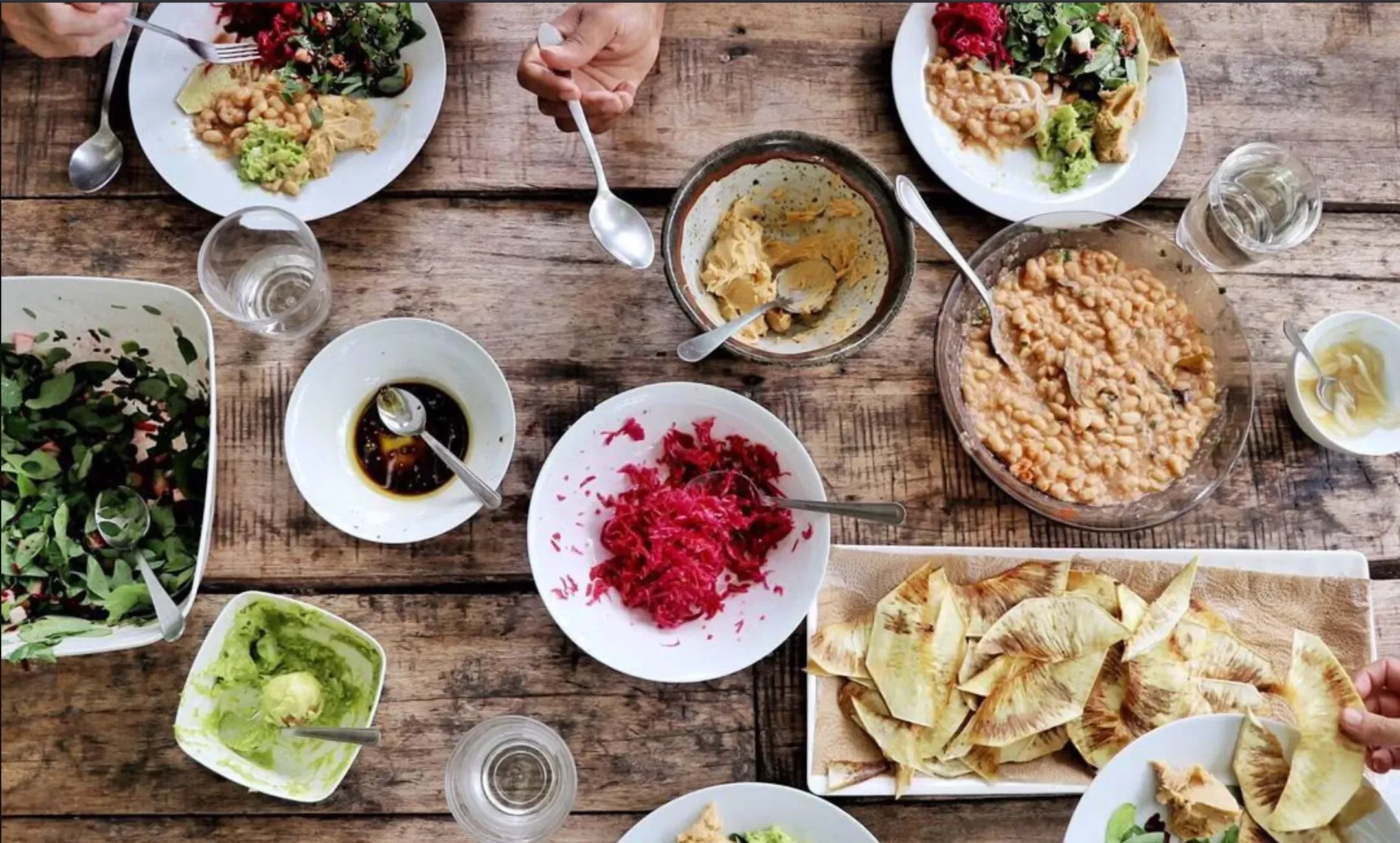
Design a Complete, Nutrient-Dense Tropical Diet
This is not just gardening — it’s food system design.
design a complete, climate-appropriate diet
decide what to grow based on your space
maximize small areas
choose crops for nutrition and yield

Example Garden with Crop Area and Nutrition Charts
See a real system designed to grow a complete diet on about 2,000 m² (½ acre).
space per crop
nutrition per crop
how the system fits together
Adapt the framework to your own land.
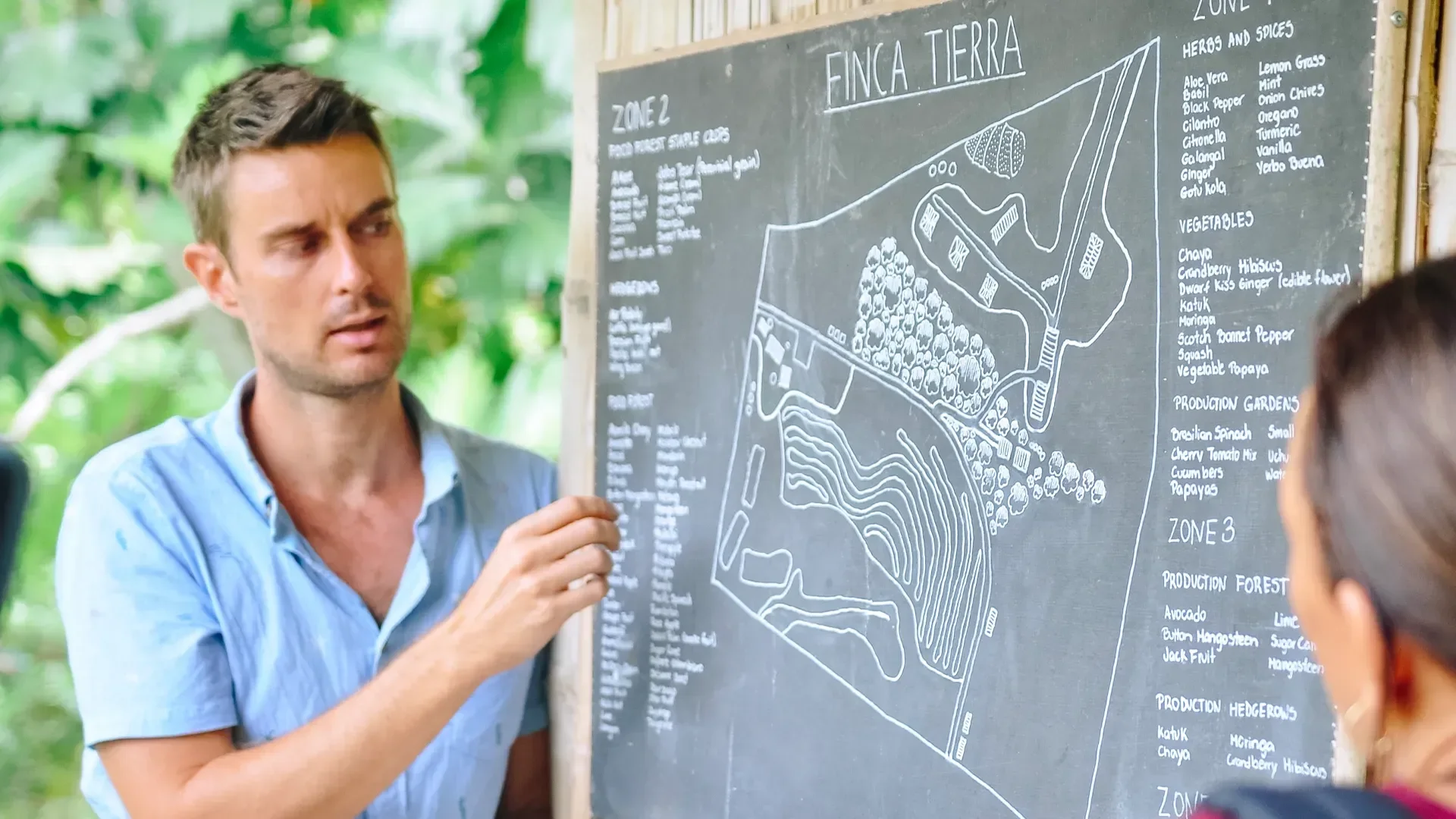
Permaculture Design
Learn how to read your land and create a clear plan based on:
rainfall
soil
sun
access
existing vegetation
Turn your site into a clear, workable design.
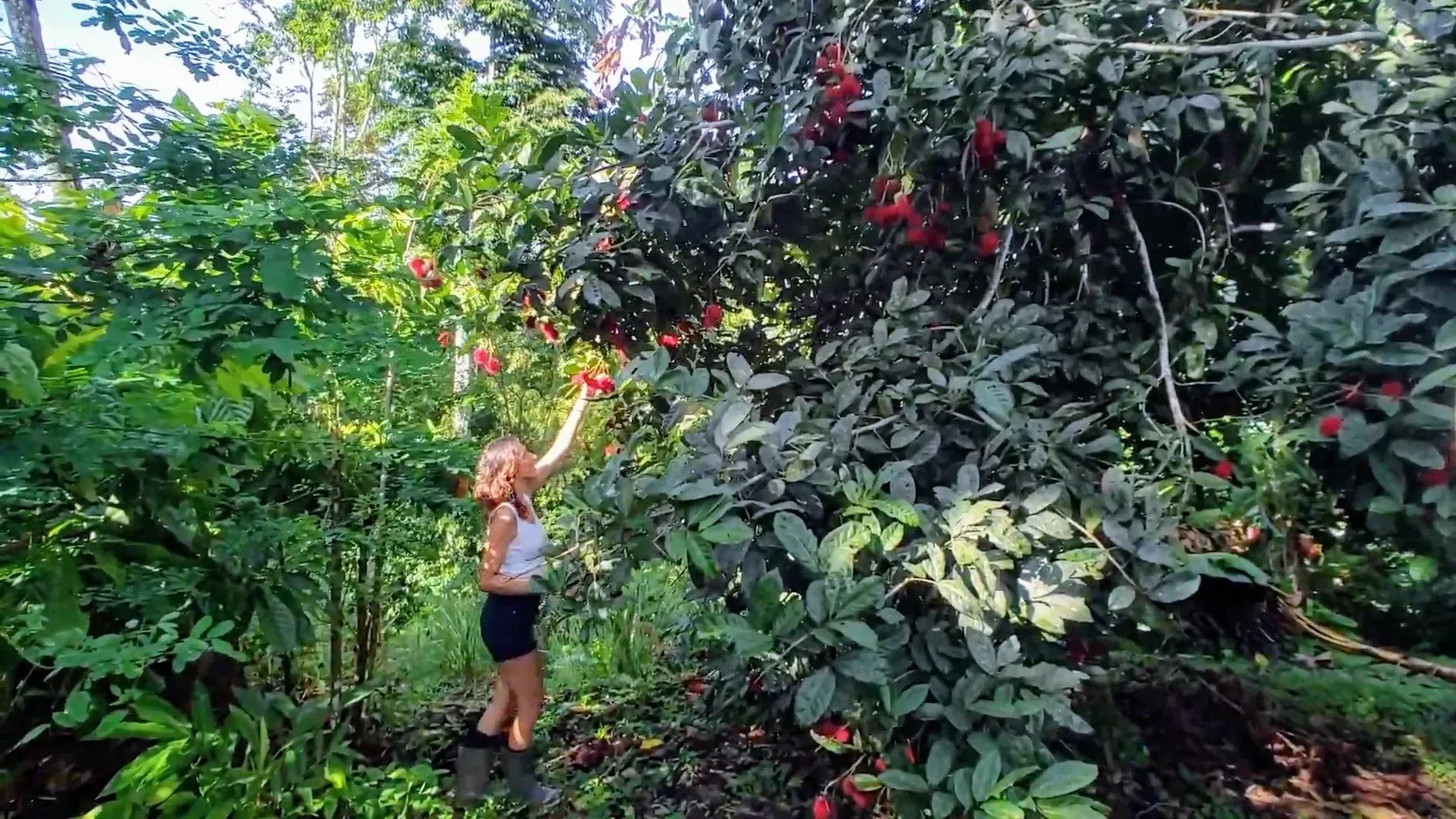
Tropical Food Forest Systems
Design multi-layered food forests that produce food, build soil, and improve over time.
combine crops with mulch and support species
manage succession and growth
use space efficiently
build fertility with living biomass
integrate perennial staple crops

Tropical Vegetable Gardens & Staple Crops
Build productive gardens for vegetables, grains, beans, roots, and tubers.
analyze soil and plan beds
grow mulch crops
make compost and biochar
manage pests naturally
maintain fertility using on-site resources
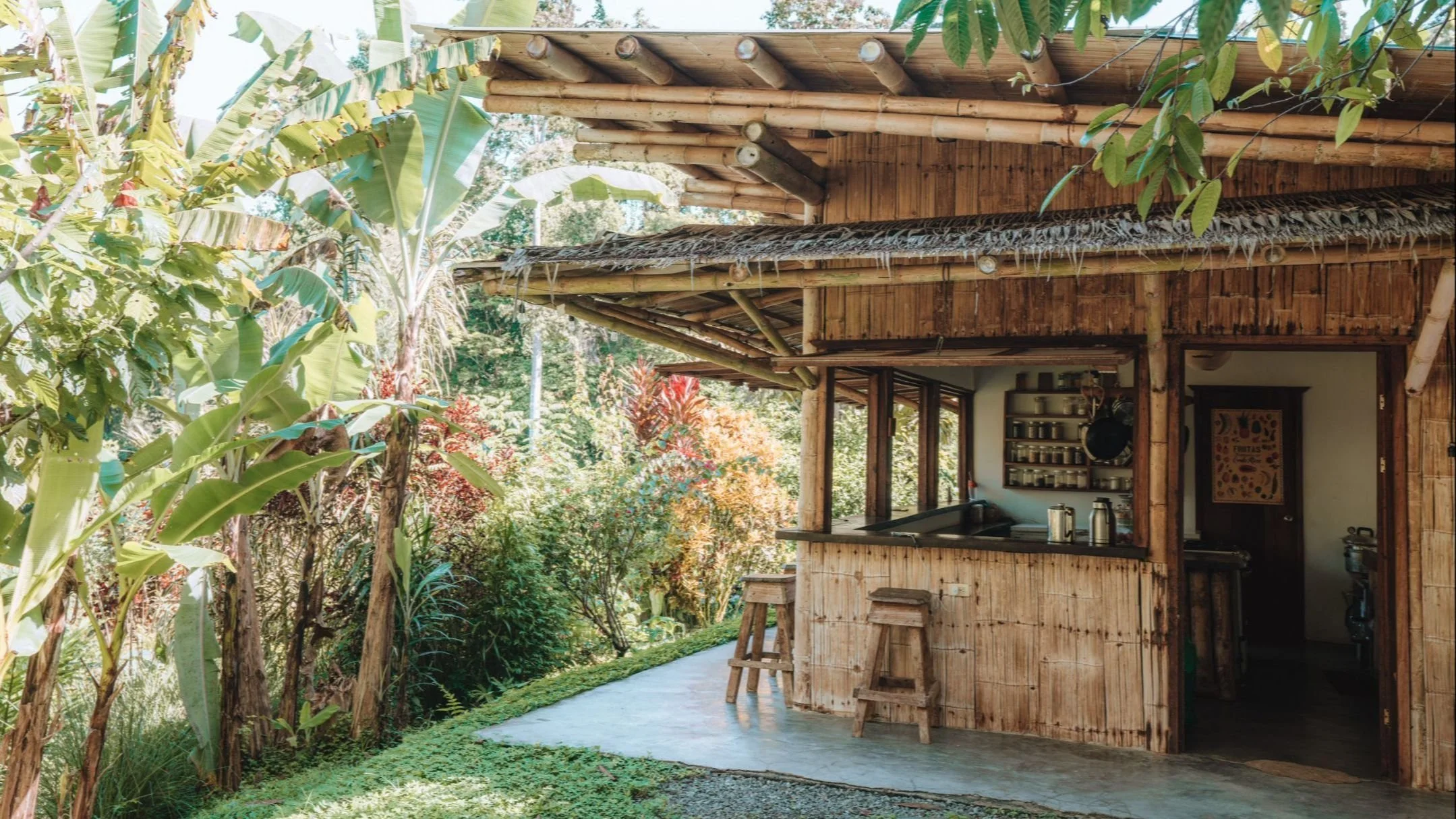
Homestead Infrastructure
Support your system with simple infrastructure that reduces inputs and cycles nutrients:
solar power
solar hot water
cooking with fire
rainwater harvesting
kitchen waste recycling
wastewater nutrient capture
Plus tools for processing and storing food:
solar dehydrators
oil presses
grain mills
pressure cookers
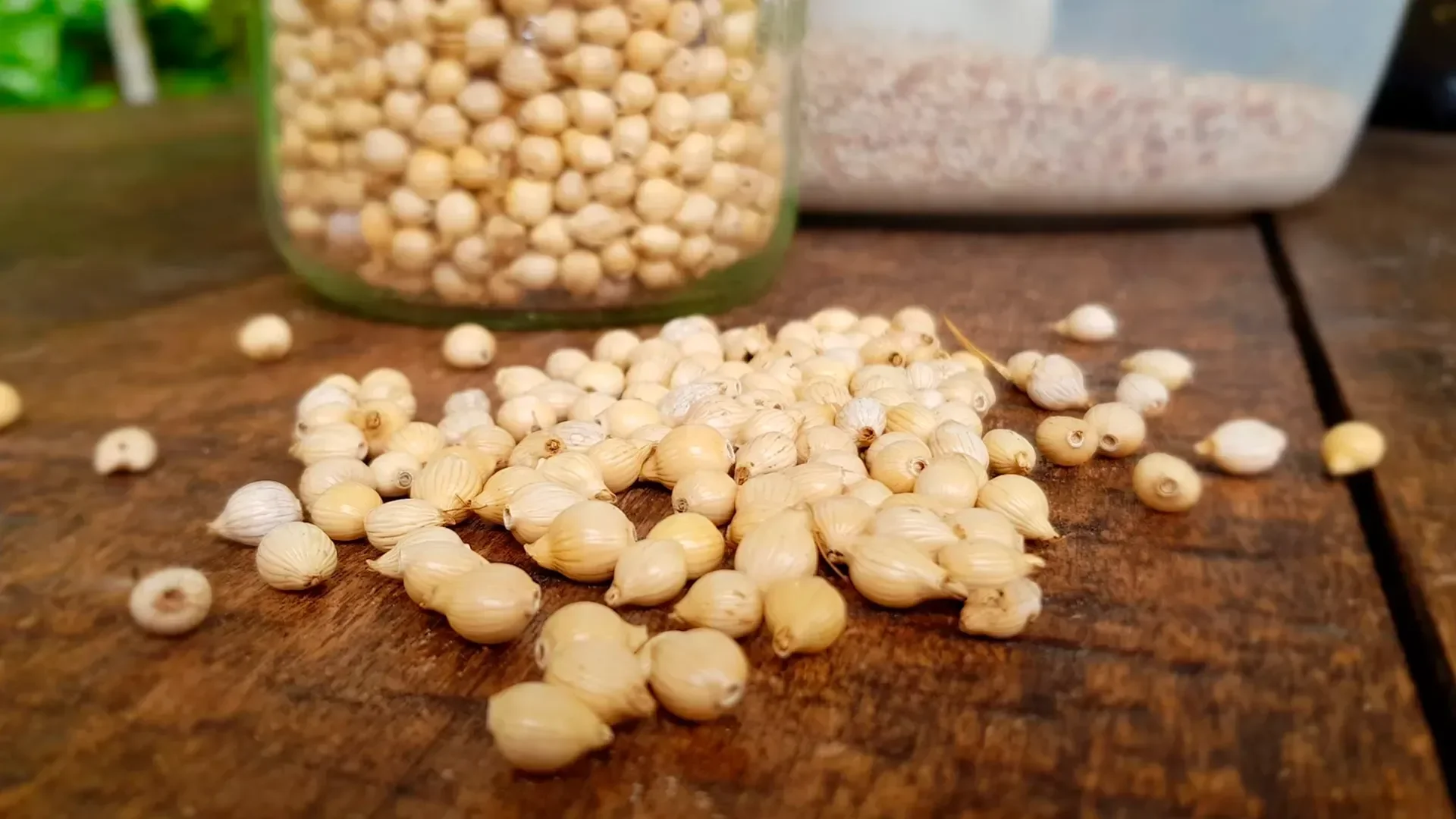
Crop Profiles
Learn how to grow 30+ essential tropical crops.
why they perform well
recommended varieties
how many plants to grow
propagation, care, and management
Includes harvesting, processing, and everyday use.
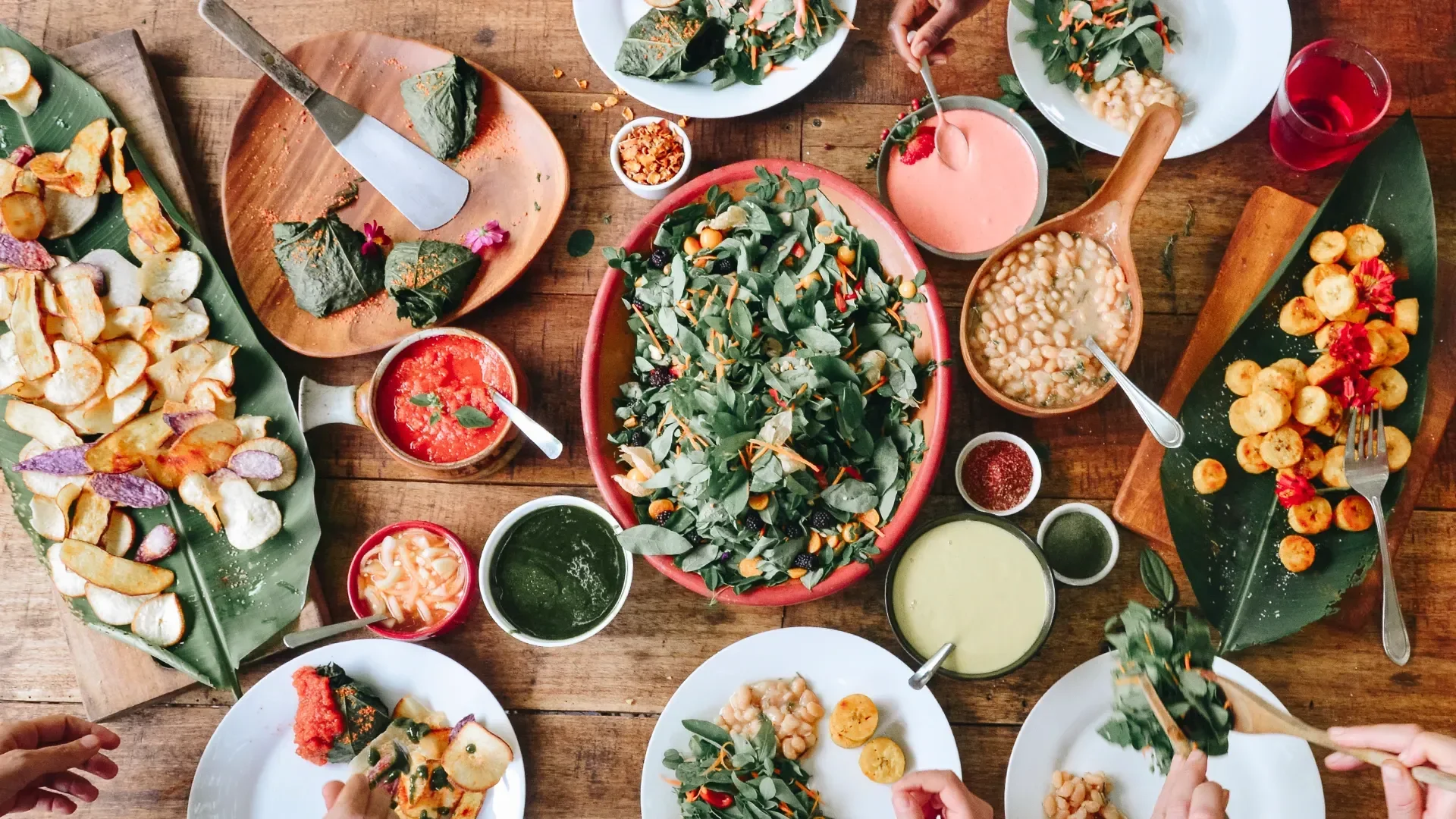
Garden-to-Kitchen
Turn your harvest into everyday meals and pantry staples.
Includes dozens of real recipes and processing methods — from flours, oils, and sugars to full meals, drinks, and preserved foods
flours
natural sugars and sweeteners
oils and vinegars
sauces, spices, and teas
Designed so the food you grow actually becomes part of your daily meals — not just something you harvest occasionally.
Student Community
Connect with other tropical growers:
ask questions
share designs and results
learn from real-world applications

What Our Students Say
-
![Permaculture Design Course student building an off-grid food forest]()
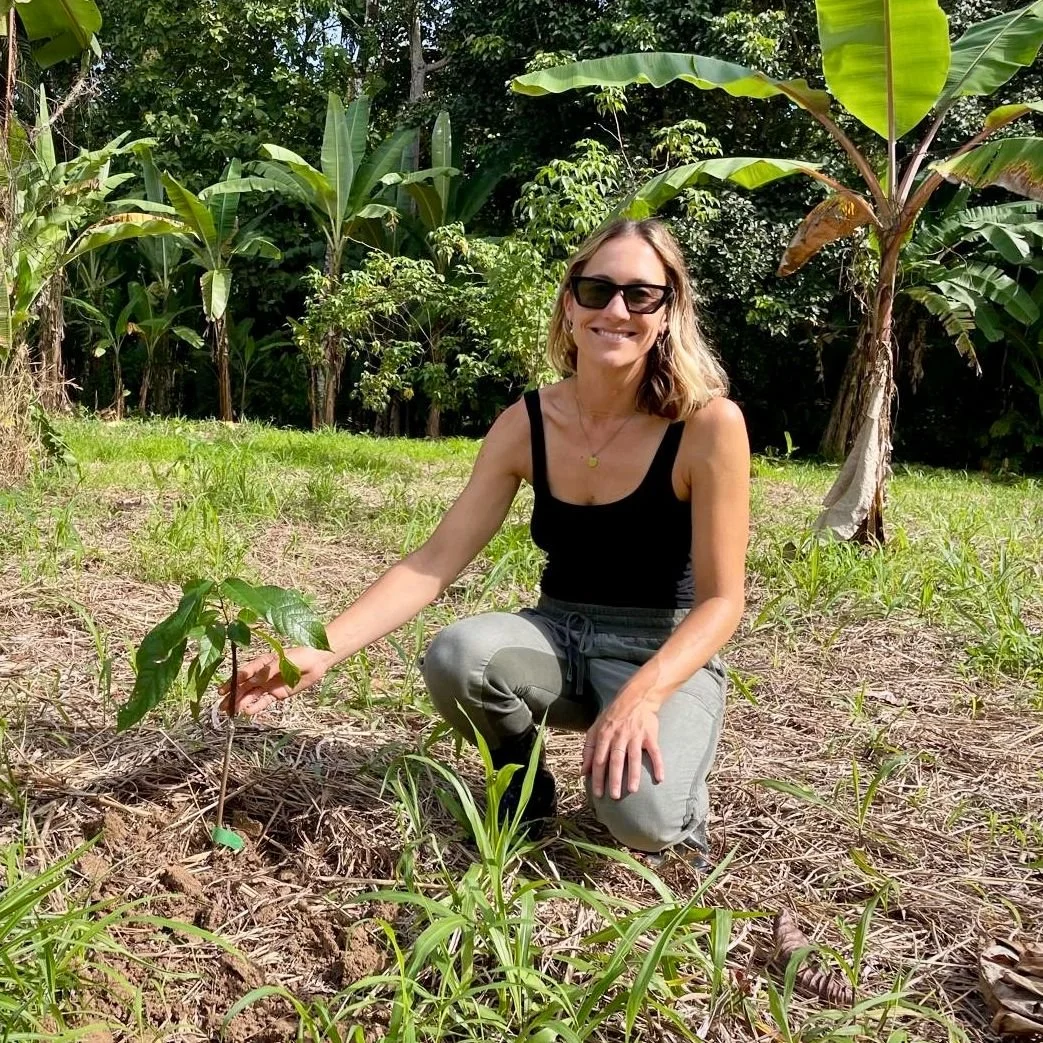
“The on-site course was life-changing and the online course has been invaluable as I design and build my off-grid home and food forest. The community forum has been incredibly helpful. I highly recommend it.”
— Sky d’Almeida
-
![Former permaculture student with harvested tropical produce at Finca Tierra]()
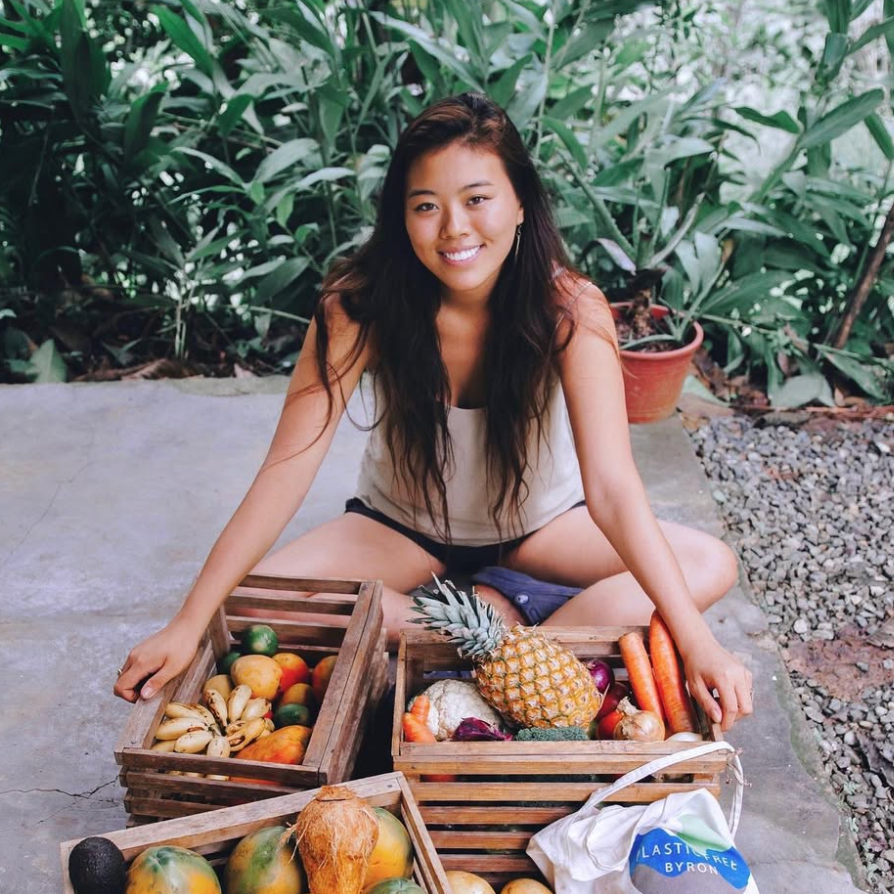
“I took the Permaculture Design Course with Ana and Ian in 2018, and it completely changed my life. I ended up moving to Costa Rica because of it. Their online course is the most comprehensive guide out there… this course really has it all.”
— Elizabeth Couse
-
![Permaculture Design Course student using garden templates from planning to planting]()
“What stood out to me were the amazing garden templates and how the course goes from planning to planting - even to cooking delicious meals. You can feel Ana & Ian’s incredible knowledge throughout.”
— Lea Imboden
-
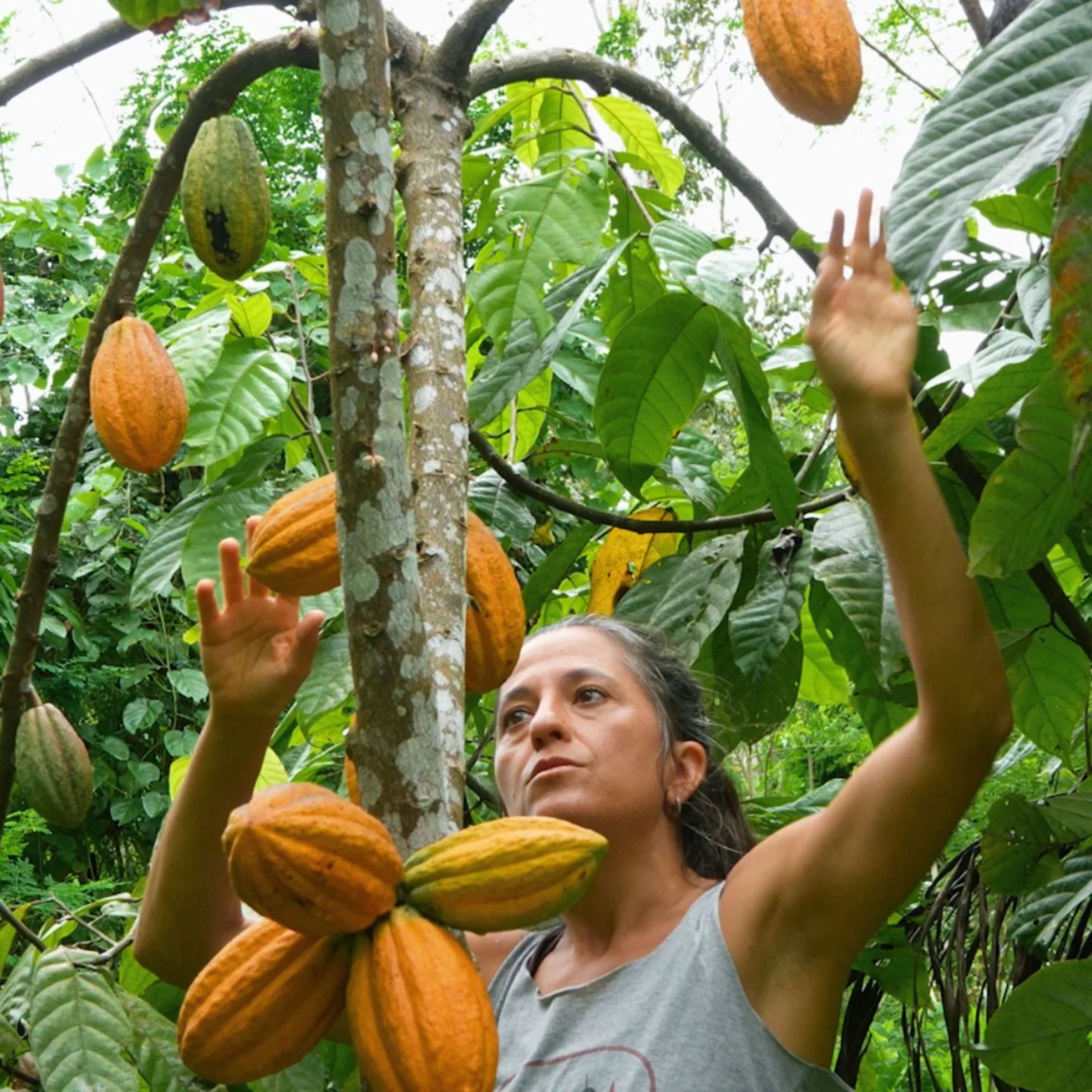
![Person harvesting cacao pods in a tropical food forest at Finca Tierra, Costa Rica]()
“Finca Tierra’s course stands out as a practical, hands-on manual for growing food in the tropics. It offers a replicable model that can strengthen your economy, local food systems, and resilience.”
— Irene Burgues
What’s Included
Step-by-step video lessons from a tropical food system
Complete food system framework — design, grow, harvest, and use your food
Example 2,000 m² (½ acre) system with crop area and nutrition planning
Site analysis and design templates to map your own land
Food forest, garden, and staple crop systems
Fertility systems — compost, mulch, biochar, and soil building
Homestead infrastructure — water, energy, waste, and food processing
30+ tropical crop profiles with planting, yields, and management
Garden-to-kitchen system — dozens of recipes and processing methods
Written guides and practical references for implementation
Student community to share designs and get feedback
Lifetime access and future updates
This Course Is For You If
you want to grow a meaningful part of your own food in the tropics
you want a clear system, not scattered information
you are planning a garden, food forest, or small homestead
you want practical guidance based on real experience
Pricing
A complete tropical food system you can use for years — for less than the cost of a single design mistake.
Normally $599
Currently $299
One payment. Lifetime access. Self-paced.
7-Day Guarantee
If the course doesn’t give you a clear path to designing your system, email us within 7 days for a full refund.
Secure checkout. Instant access after payment.
Meet Your Instructors
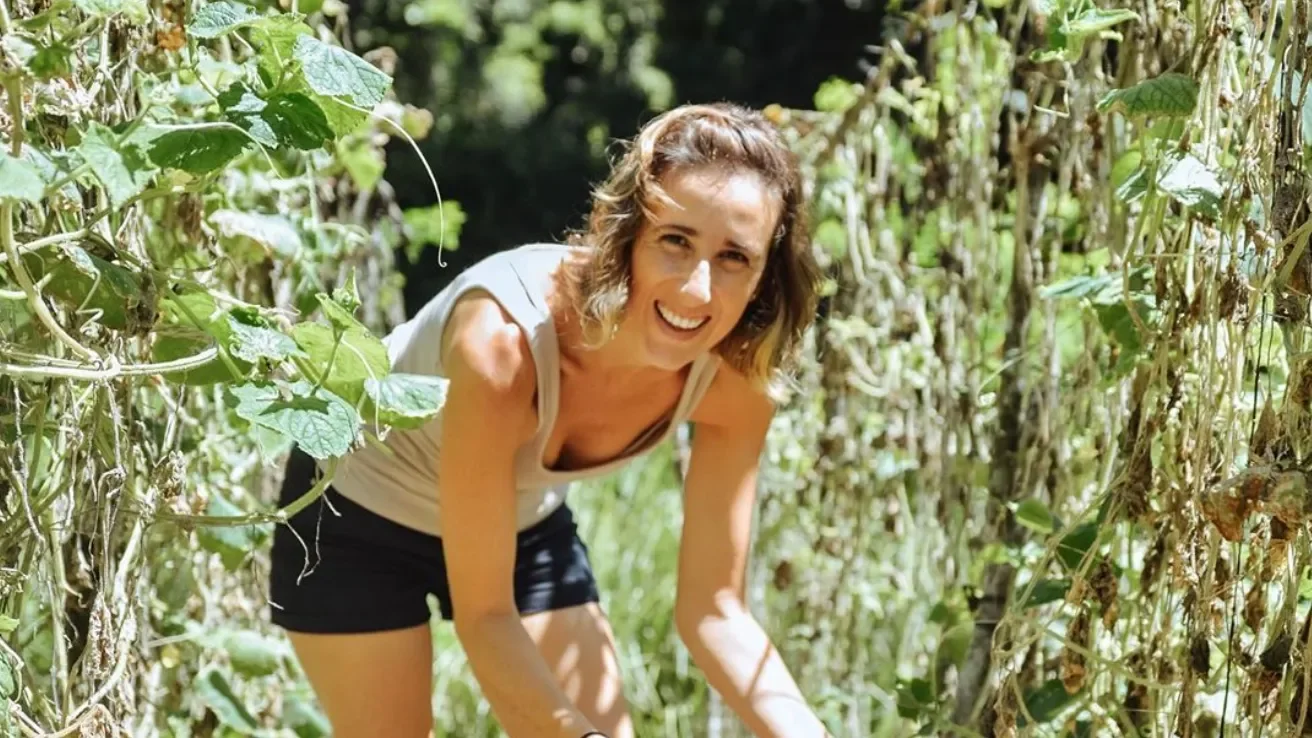
Ana Gaspar A.
Costa Rican human-rights lawyer, environmental advocate, and co-founder of Finca Tierra.
Ana works on bioregional planning, sustainable development, and community food systems.
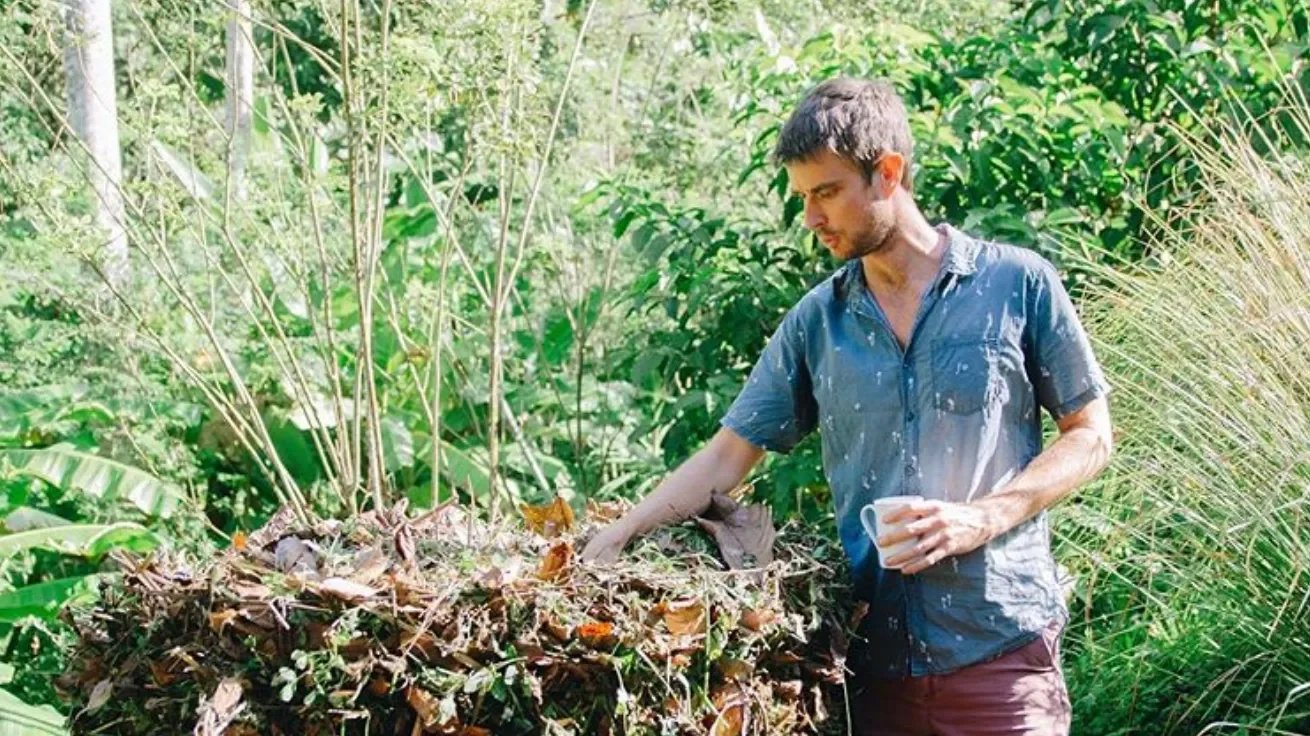
Ian Macaulay
Permaculture designer, educator, and co-founder of Finca Tierra and SEED Ecovillage.
Ian has spent more than 15 years researching tropical food systems and teaching permaculture design courses to students from around the world.
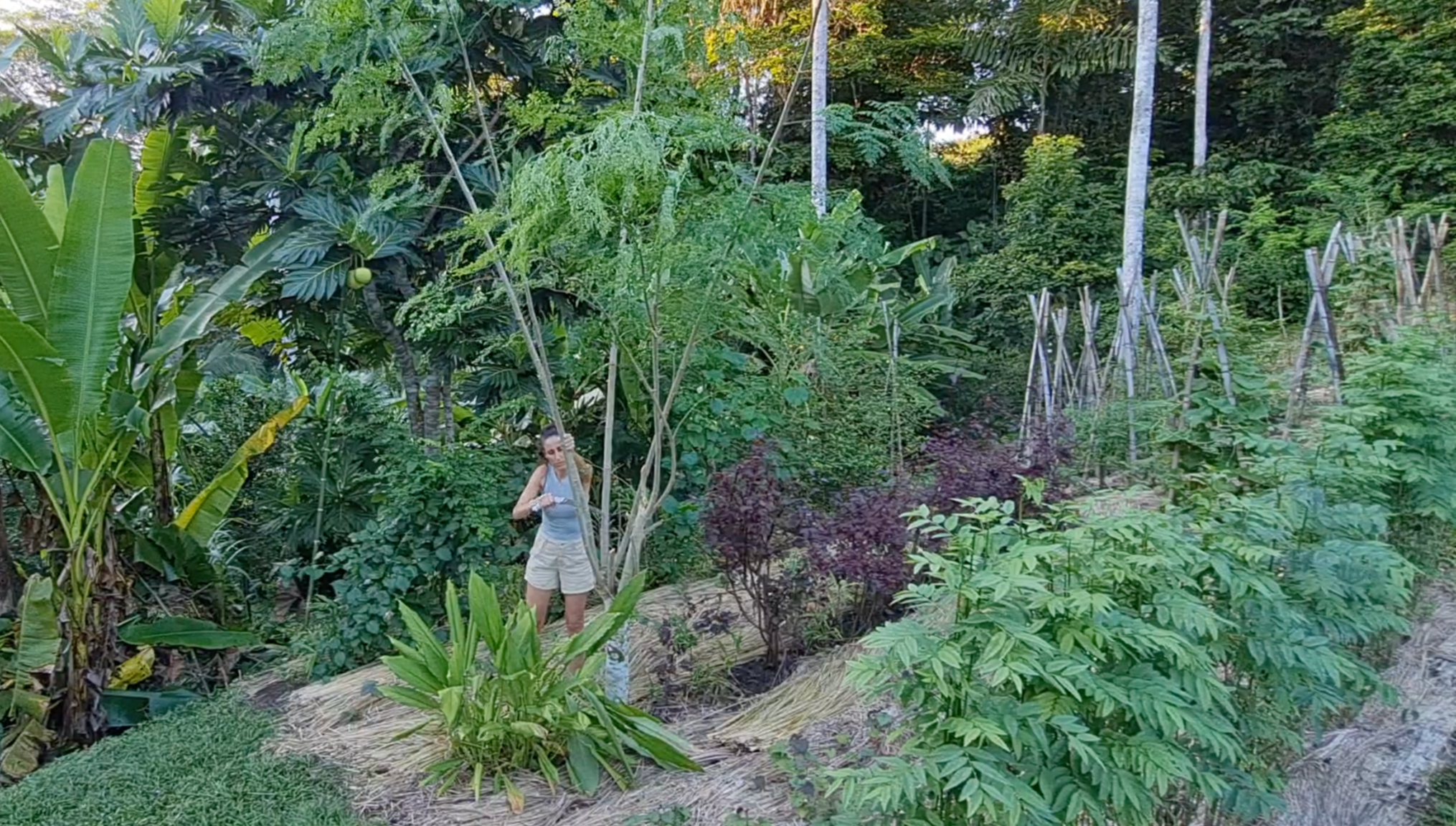
Build a Food System That Works
Design your system — Grow your food — Learn how to prepare it
Not one you have to constantly manage.
Grounded in Real Tropical Systems
This course is based on systems we actively use and document on our farm in Costa Rica.
If you’d like to explore the thinking and design behind the course, you can read:
• How Much Land to Feed a Family: A Complete Tropical Diet on 2,000 m²
• Tropical Food Forest: How We Design Perennial Systems in the Humid Tropics
• Tropical Vegetable Garden: How to Grow Abundantly in the Tropics
These articles show how the systems work in practice. The course brings them together into a complete, step-by-step framework.
-
Yes. The course shows the whole system, but many students begin with just one part of it, such as a vegetable garden, a small food forest, or pantry skills. The framework still helps you make better decisions, even on a small scale.
-
You do not need to. One of the goals of the course is to help you understand the full system so you can begin with the parts that fit your land, budget, time, and current priorities.
-
Yes. The course is designed to give you a clear approach, not assume you already know how everything works. It is useful both for beginners and for people who already have some experience but want a more complete framework.
-
Yes. Many people know pieces of permaculture but still struggle to connect them into a productive tropical food system. This course goes deeper into tropical food production, complete diet design, practical crop selection, and the connection between growing, processing, and eating.
-
Not necessarily. The course can still help you think more clearly about what kind of system you want to build, what matters most in a tropical site, and how to avoid costly mistakes later.
-
No. It is useful whether you want to grow a small garden, plant a food forest, improve part of your food supply, or build a larger self-reliant system over time.
-
This is a self-paced course with lifetime access. You can move through the material at your own speed and return to it as your land and skills evolve.
-
Yes. The course includes garden-to-kitchen lessons, pantry skills, and practical recipes so the crops you grow can become part of everyday meals.
-
Many courses teach only one part of the puzzle, such as food forests, vegetable gardening, or general design ideas. This course connects the pieces into one practical tropical food system: diet design, crop planning, gardens, food forests, fertility, simple infrastructure, processing, and meals.
-
You will have lifetime access, including course updates.
Common Questions Before Joining
Access for Community Projects
We offer a limited number of scholarships for community-led initiatives working toward food sovereignty and self-sufficiency.
If this aligns with your work, contact us and tell us about your project.